

Quality, Care, and Lasting Protection for Every Home and Business.
- Comprehensive Roofing Services
- Experienced, Local Team
- Top-Quality Materials & Workmanship
- Exceptional Customer Service
Running a commercial property along Columbia Drive, Memorial Drive, or anywhere else in Belvedere Park means dealing with weather that puts real pressure on your roof year-round. Summers here are hot and humid, with temperatures pushing into the upper 80s and 90s, and the area sees around 50 inches of rainfall annually, much of it coming through spring and summer storms that hit hard and fast. That combination of heat, moisture, and temperature changes from season to season takes a toll on flat and low-slope roofs especially, loosening seams, stressing flashing, and wearing down membranes over time. When those weak spots go unaddressed, small leaks can quietly spread beneath the surface until the repair bill is far larger than it needed to be.
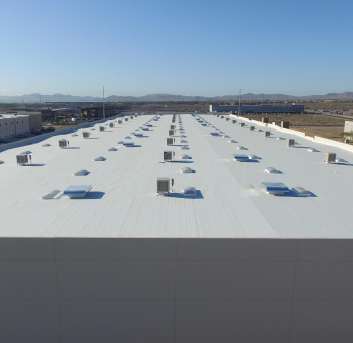
Commercial roofing systems in this market, including TPO, EPDM, modified bitumen, and built-up roofs, are built to handle the workload, but they still need attention after heavy storms, during routine inspections, and whenever a leak shows up near an HVAC unit, a gap, or a roofline seam.
RST Roofing and Renovations, LLC works with building owners and property managers throughout Belvedere Park to find the source of problems quickly and make targeted repairs that hold up. The goal is to protect your facility from ongoing water damage, keep your tenants and operations uninterrupted, and give you solid documentation for future maintenance planning.
If you are responsible for a commercial roof, understanding how a repair is evaluated and completed can make the process easier to manage. RST Roofing and Renovations, LLC identifies the source of the problem, explains the available repair options, and carries the work through to a final review.
Flat and low-slope roofs are the most common commercial roof type in this area, and they come with specific weak points that show up again and again. Knowing where problems typically start can help you catch them earlier and avoid repairs that grow well beyond the original issue.
| Repair Issue | Common Cause | Why It Matters |
|---|---|---|
| Seam separation | Heat cycling and membrane aging | Open seams allow water to reach the roof deck quickly |
| Flashing failures | Expansion and contraction from temperature changes | Loose flashing around HVAC units and gaps is a top leak source |
| Membrane damage | Storm debris, foot traffic, and UV exposure | Punctures and surface wear accelerate leak development |
| Ponding water | Clogged or insufficient drainage | Standing water breaks down membrane material over time |
| Gap wear | Movement around pipes, vents, and equipment curbs | Gaps are a frequent source of hidden leaks |
Belvedere Park's combination of heavy rainfall and warm, humid summers puts extra stress on all of these areas. After major storms in spring and summer especially, it's worth having a thorough inspection completed before small issues turn into larger ones. Staying ahead of these known trouble spots is one of the most effective ways to protect your facility and keep repair costs manageable over time.
Commercial roofs aren't one-size-fits-all, and repairs have to match the specific membrane system on your building, whether that's TPO, EPDM, modified bitumen, PVC, or a built-up roof. Using the wrong materials or methods can void existing protection and shorten the life of the repair, so matching the fix to the system matters from the start.
HVAC units, vents, pipes, and equipment curbs create some of the most active leak points on any commercial roof, especially as the equipment settles or shifts over time. Repairs around these transitions require careful sealing and flashing work to keep water out at every edge and joint where the surface of the roof meets the equipment base.
Flat and low-slope roofs depend on working drains and proper slope to move water off the surface after rainstorms, and Belvedere Park sees enough rainfall annually that slow drainage becomes a real problem fast. As part of repair work, we address drainage issues that are contributing to standing water or accelerating wear on the membrane surface.
After repairs are complete, you receive written documentation of what was found, what was repaired, and where on the roof the work took place. For property managers and building owners handling ongoing maintenance across one or more facilities, that paper trail is a practical tool for budgeting future work and tracking your roof's condition over time.
Belvedere Park's warm, wet climate does not let up on commercial roofs. Between the heat that builds through summer, the steady rain that comes with it, and the temperature swings that arrive each fall and winter, flat and low-slope systems take a lot of wear over the course of a year. Staying ahead of known weak spots, especially at seams, flashings, and rooftop gaps, are one of the most direct ways to extend your roof's useful life and keep long-term repair costs from growing beyond what they need to be.
RST Roofing and Renovations, LLC is ready to help you find the source of the problem, make the right repair for your specific system, and give you solid documentation to carry forward. If you have a leak, a concern after a recent storm, or just want a closer look at how your roof is holding up, reach out, and we'll take it from there.
Got questions about your roof? We’ve got answers. From maintenance tips to insurance claims and repair timelines, our FAQ section covers the most common concerns homeowners have. Get informed and make confident decisions about protecting your home.
DeKalb County does require permits for certain roofing-related work on commercial properties, submitted through the county's online portal. Whether your repair needs one depends on the scale of the work, and a reputable contractor will sort that out before the job begins. Permit requirements are one reason it matters to work with someone familiar with local rules, since skipping that step can create problems if you ever sell the building or need to document your maintenance history.
With roughly 50 inches of rain spread across the year and a concentration of heavy storms in spring and summer, flat and low-slope roofs in this area face repeated stress at their most vulnerable spots, including seams, drains, and equipment flashings. Water that sits even briefly after a storm can accelerate wear on membrane material and widen gaps that are already starting to open. Getting an inspection done after significant storm activity, rather than waiting for a visible ceiling stain, tends to catch problems while they are still straightforward to fix.
On flat and low-slope systems, water that enters through an open seam or failed flashing can travel along the roof deck or insulation layer for several feet before it finds a way through the ceiling. That gap between the entry point and visible damage is one of the most common reasons building owners are surprised by where the repair actually happens. A proper inspection traces the path back to the source rather than patching wherever the water shows up inside, which is the only way to stop the problem from coming back in the same spot.
Quality, Care, and Lasting Protection for Every Home and Business.

Schedule your complimentary, no-obligation roof inspection today with our certified experts.