



Quality, Care, and Lasting Protection for Every Home and Business.
- Comprehensive Roofing Services
- Experienced, Local Team
- Top-Quality Materials & Workmanship
- Exceptional Customer Service
Stone Mountain sits squarely in Georgia's subtropical climate, and your roof takes the full brunt of it year after year. Summers push temperatures into the 90s, driving asphalt shingles through repeated expansion cycles. Then winter arrives with enough temperature swings to stress seals and compromise shingle durability. Layer on top of that heavy spring storms, and the kind of persistent humidity that encourages algae and moss to take hold, and you have conditions that age a roof faster than most homeowners realize. A roof that looks fine from the driveway can already be losing granules, developing soft spots, or holding moisture in ways that quietly accelerate the damage underneath.
That's exactly why a professional residential roof inspection matters so much in this market. Catching granule loss, seal degradation, or biological growth early gives you options. Wait too long, and what started as a minor issue works its way into the decking or the structure below, turning a straightforward repair into a much larger project. RST Roofing and Renovations, LLC brings local knowledge to every inspection, understanding how Stone Mountain's specific weather patterns affect different roof types and ages, whether you're in an older established neighborhood or a newer development where installation quality is the bigger concern.
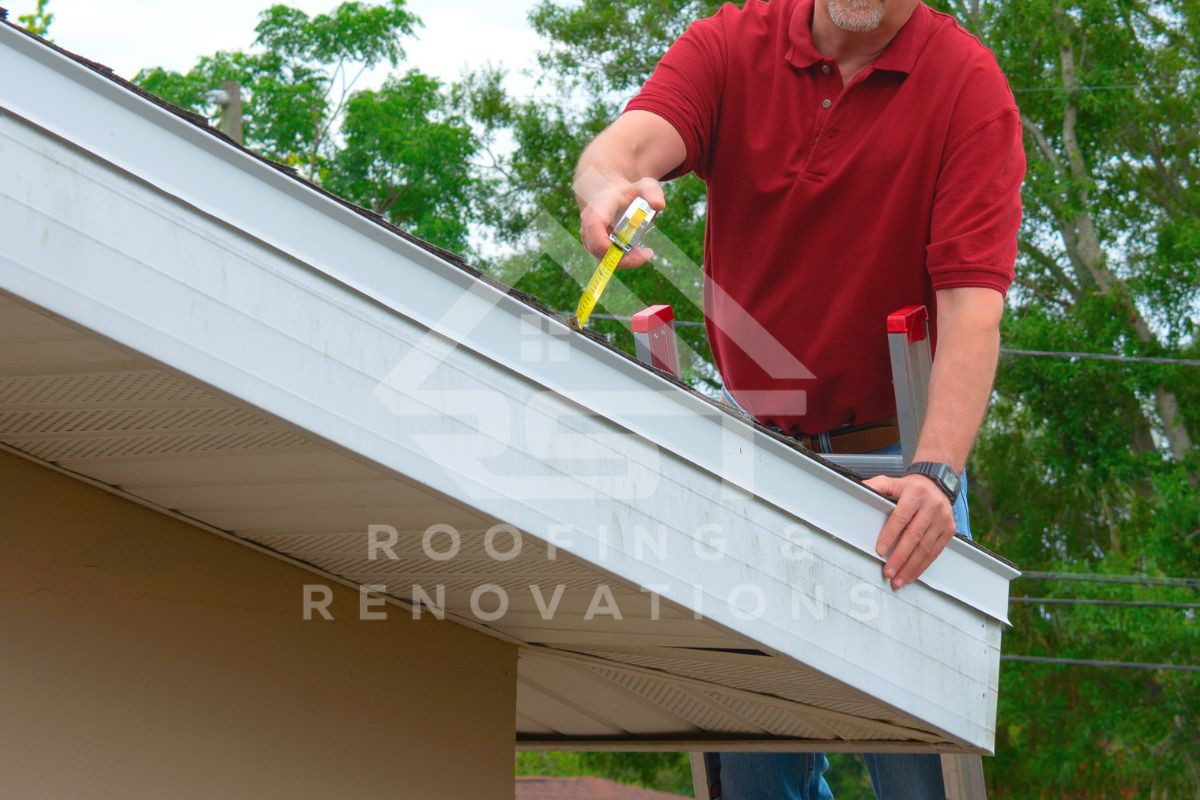
Knowing what to expect before someone gets on your roof makes the whole process easier. Here's exactly how RST Roofing and Renovations, LLC, handles a residential roof inspection from start to finish.
A complete residential roof inspection looks at far more than just the shingles you can see from the ground. Stone Mountain's heat, humidity, and heavy seasonal rainfall create specific wear patterns that take a trained eye to catch early, and knowing what gets examined helps you understand the value of what you're getting.
| Inspection Area | What We Look For | Why It Matters Here |
|---|---|---|
| Shingle Surface | Granule loss, cracking, brittleness | Georgia's heat cycles accelerate shingle breakdown faster than in moderate climates |
| Flashing and Seals | Separation, rust, gaps around penetrations | Temperature changes stress seals repeatedly, creating entry points for leaks |
| Biological Growth | Algae and moss presence and spread patterns | Retained moisture against shingles speeds up material breakdown significantly |
| Gutter and Drainage | Pooling, debris buildup, slope issues | Heavy spring rainfall overwhelms poor drainage and shortens the roof's lifespan |
| Decking and Structure | Soft spots, sagging, moisture damage | Hidden moisture damage is common in older Stone Mountain homes and easy to miss |
Spring is a natural time to schedule an inspection, especially after Georgia's severe storm season. That said, any time you notice granule buildup in gutters, visible discoloration on the surface, or signs of moisture inside your attic, it's worth getting eyes on your roof before a small issue grows into something more expensive to address.
Your attic is one of the first places that reveals what's actually happening above your living space. We look for signs of leaks, inadequate ventilation, and early wood rot that wouldn't be visible from the roof surface alone, catching problems before they work their way deeper into your home's structure.
Hail hits, wind-lifted shingles, and impact damage from debris don't always leave obvious marks, but they do leave patterns that a trained eye knows how to read. Georgia's active spring storm season means we specifically look for the subtle bruising, dislodged granules, and lifted seals that indicate storm-related damage even when the roof still appears intact.
Older roofs in Stone Mountain's established neighborhoods need a different kind of scrutiny than newer construction does. We adjust what we prioritize based on your roof's age, whether that means looking harder at cumulative wear and seal fatigue on an older system or checking for installation defects and improper flashing on a roof that hasn't had time to show long-term problems yet.
At the end of the inspection, you receive documented findings with photos tied to specific locations on your roof, not a vague verbal summary you'll struggle to remember a week later. That documentation gives you something concrete to reference, whether you're planning a repair, budgeting for future maintenance, or simply keeping records as part of protecting your investment in your property.
Georgia's heat, humidity, and year-round moisture exposure don't let up, and your roof absorbs all of it over time. Staying ahead of that wear means you get to make decisions on your own terms rather than reacting to a problem that's already gotten expensive. A professional inspection gives you a clear picture of where your roof actually stands, whether you've owned the home for decades or just moved in and want a reliable starting point.
RST Roofing and Renovations, LLC, is ready to put knowledgeable eyes on your roof and give you honest answers about what they find. If you're overdue for an inspection, thinking about one before spring storms arrive, or simply want to know your roof's condition before something small becomes something bigger, reach out and get it scheduled. We're proud to serve homeowners across the area, and you can learn more about what we offer on our Stone Mountain service page. No pressure, just a straightforward inspection and a clear report you can actually use.
Got questions about your roof? We’ve got answers. From maintenance tips to insurance claims and repair timelines, our FAQ section covers the most common concerns homeowners have. Get informed and make confident decisions about protecting your home.
It's more than cosmetic. In Stone Mountain's humidity, algae and moss hold moisture directly against your shingles, breaking down the material underneath over time and shortening the life of your roof. What looks like surface discoloration can actually be an early sign of accelerating deterioration that gets more expensive to address the longer it sits. An inspection will tell you how far the growth has spread and whether it's already affecting the shingles beneath.
Newer roofs can have issues that aren't visible yet but will cause real problems down the line, particularly improper flashing installation or seals that weren't seated correctly during construction. Stone Mountain's heat and rainfall will expose those weaknesses over time, and catching them early means a simple correction rather than a repair that involves pulling back materials. A baseline inspection on a newer home gives you documentation of its condition and surfaces anything a builder may have missed.
Gutters and roof lifespan are more connected than most homeowners expect. When gutters are clogged or sloped incorrectly, water backs up at the roof's edge, sits against the decking and fascia, and works its way under shingles over time. Georgia's heavy spring rainfall makes this especially relevant in Stone Mountain, where inadequate drainage can quietly shorten a roof's life by years. A roof inspection will flag drainage problems that contribute to wear, not just the roof surface itself.
Quality, Care, and Lasting Protection for Every Home and Business.

Schedule your complimentary, no-obligation roof inspection today with our certified experts.