


Quality, Care, and Lasting Protection for Every Home and Business.
- Comprehensive Roofing Services
- Experienced, Local Team
- Top-Quality Materials & Workmanship
- Exceptional Customer Service
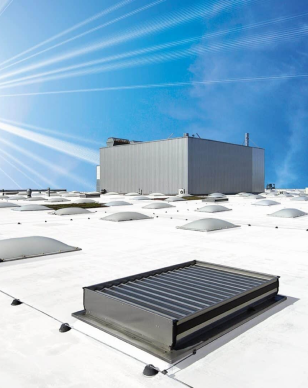
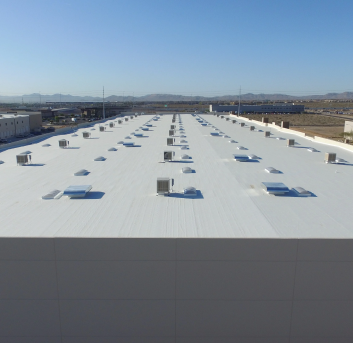
Flat and low-slope commercial roofs in Avondale Estates take a beating year after year. The Atlanta metro climate brings hot, humid summers with temperatures climbing into the 90s, frequent rainfall that adds up to around 50 inches annually, and seasonal temperature changes that put constant stress on aging membranes and seams. On a flat or low-slope roof, that combination of heat and moisture is especially unforgiving. Water pools around weak spots, seams separate, and drainage systems get overwhelmed. When those problems go unaddressed, leaks work their way into insulation, roof decking, and interior spaces before anyone spots visible damage from the outside. For offices, retail buildings, churches, and other commercial properties, that kind of hidden deterioration can disrupt tenants and business operations well before a roof looks like it needs attention.
A complete commercial roof replacement addresses those vulnerabilities at the source. RST Roofing and Renovations, LLC works with building owners and property managers in Avondale Estates to replace worn modified bitumen and single-ply membrane systems with new installations matched to the specific drainage layout and structure of each building. Rather than patching a roof that has reached the end of its service life, replacement gives your property a clean starting point and protects the building and everyone inside it from the ongoing exposure that shortens roof life in this region.
Understanding the process ahead of time makes it easier to evaluate your options and plan for a major roofing project. This is how RST Roofing and Renovations manages a commercial roof replacement from the initial assessment through project completion.
Choosing the right replacement system matters more than most building owners realize. The combination of heavy seasonal rainfall, summer heat, and temperature swings that North Georgia delivers can expose weaknesses in a system that isn't matched to the building's drainage layout and existing structure. For flat and low-slope commercial roofs in Avondale Estates, two systems consistently prove well-suited to local conditions.
| Roofing System | Best Fit | Key Considerations for Local Conditions |
|---|---|---|
| Modified Bitumen | Flat and low-slope roofs with higher foot traffic or equipment access | Multi-layer construction resists seam failure and handles repeated moisture exposure well |
| Single-Ply Membrane | Low-slope commercial buildings with large open roof surfaces | The seam’s structural integrity is important: prolonged sun exposure and seasonal expansion accelerate wear at joints |
Beyond system selection, a replacement project in Avondale Estates involves permitting coordination that you should plan for early. Roofing work requires a permit, and projects that disturb over roughly 1,000 square feet may also trigger a land disturbance review with stormwater containment requirements during construction. Properties in or near the historic district may face additional review if the replacement affects roof form or drainage coverage. Getting that paperwork aligned before installation starts keeps the project moving and protects you from delays once the crew is on site.
When the old roofing system comes off, the exposed deck gets a close look before anything new goes down. Deteriorated roof decking, saturated insulation, or soft spots that weren't visible from the surface get identified and addressed at this stage, so your new membrane is installed over a solid, stable base rather than hidden damage that will shorten the replacement's service life.
Roof gaps like vents, HVAC curbs, pipes, and skylights are some of the most common places where leaks start on commercial roofs. Every gap gets properly flashed and sealed as part of the replacement, not left as a weak point in an otherwise new system. On flat and low-slope roofs that collect standing water, getting these details right is what separates a roof that holds up from one that needs attention within a few years.
Your building's drainage layout directly affects how a replacement system performs over time, especially in a market like Avondale Estates, where rainfall is frequent and heavy. The new system is installed to work with your existing drain locations, scuppers, and slope rather than around them, so water moves off the roof the way it should instead of pooling at low spots and stressing seams.
Pulling the right permits and keeping the project compliant with DeKalb County requirements is handled on your behalf, including any stormwater containment measures required during construction for larger disturbed areas. For properties in or near Avondale Estates' historic district, that coordination includes any additional exterior review that applies, so you're not left managing paperwork or facing stop-work issues mid-project.
A new roofing system does more than stop leaks. It protects your building's insulation and roof decking, keeps tenants comfortable, and reduces the long-term cost of owning and operating a commercial property in a region that puts real wear on flat and low-slope roofs. Replacing an aging membrane before repeated heat and moisture exposure adds to the damage is one of the more straightforward ways to extend your building's service life and avoid the kind of repair work that grows expensive quickly once the underlying structure is involved.
RST Roofing and Renovations, LLC serves building owners and property managers throughout Avondale Estates and is ready to help you move forward when the timing is right. Spring and fall tend to be the most practical windows for commercial roof replacement in this area, but every project is different. If you have questions about the condition of your roof or want to understand what a replacement would involve for your specific building, reach out, and we will walk you through it.
Got questions about your roof? We’ve got answers. From maintenance tips to insurance claims and repair timelines, our FAQ section covers the most common concerns homeowners have. Get informed and make confident decisions about protecting your home.
Timing does affect how smoothly a replacement goes. Membrane materials perform best during mild conditions, and scheduling during peak summer heat can slow installation and make it harder to get proper adhesion and seam sealing on low-slope systems. Late winter can also be a workable window if temperatures stay moderate, though you want to avoid scheduling during the heaviest stretch of spring storm activity when rain delays can extend your project timeline unexpectedly.
It can, depending on how close your property is to the historic district boundary and whether the replacement changes the visible roof form or affects drainage coverage on the lot. Exterior work that alters roof lines or site drainage may require an additional layer of review before permits are issued. It is worth identifying that early in the planning process, rather than after you have a crew scheduled, since review timelines in historic or transitional areas can be longer than a standard roofing permit.
The condition of your existing drains, scuppers, and any low spots in the deck surface tells a lot about whether the current layout is actually moving water off the roof the way it should. If ponding has been a recurring issue or if drain collars show heavy wear and buildup, that is a signal that the drainage configuration may need adjustment rather than just a new membrane over the same setup. Addressing drainage alignment during replacement is far more practical than retrofitting it later, especially on a roof that sees the kind of rainfall volume common in this part of the Atlanta metro.
Quality, Care, and Lasting Protection for Every Home and Business.

Schedule your complimentary, no-obligation roof inspection today with our certified experts.