

Quality, Care, and Lasting Protection for Every Home and Business.
- Comprehensive Roofing Services
- Experienced, Local Team
- Top-Quality Materials & Workmanship
- Exceptional Customer Service
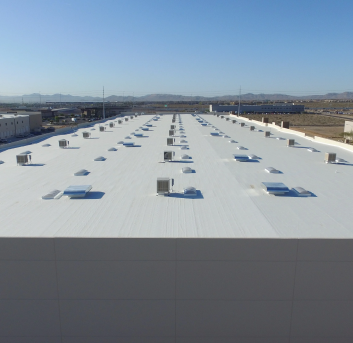
Running a commercial property in Belvedere Park means dealing with weather that puts real pressure on your roof year-round. Georgia summers push temperatures into the 90s, winter brings occasional freezes, and the region sees around 50 inches of rainfall annually spread across well over 100 days of precipitation. That constant cycle of heat, humidity, and temperature changes causes roofing membranes to expand and contract, seams to separate, and flashings to pull away from surfaces. On flat and low-slope roofs, which are common across commercial buildings in this area, those small changes can go unnoticed until water finds its way inside and damages equipment, ceilings, or the structure beneath.
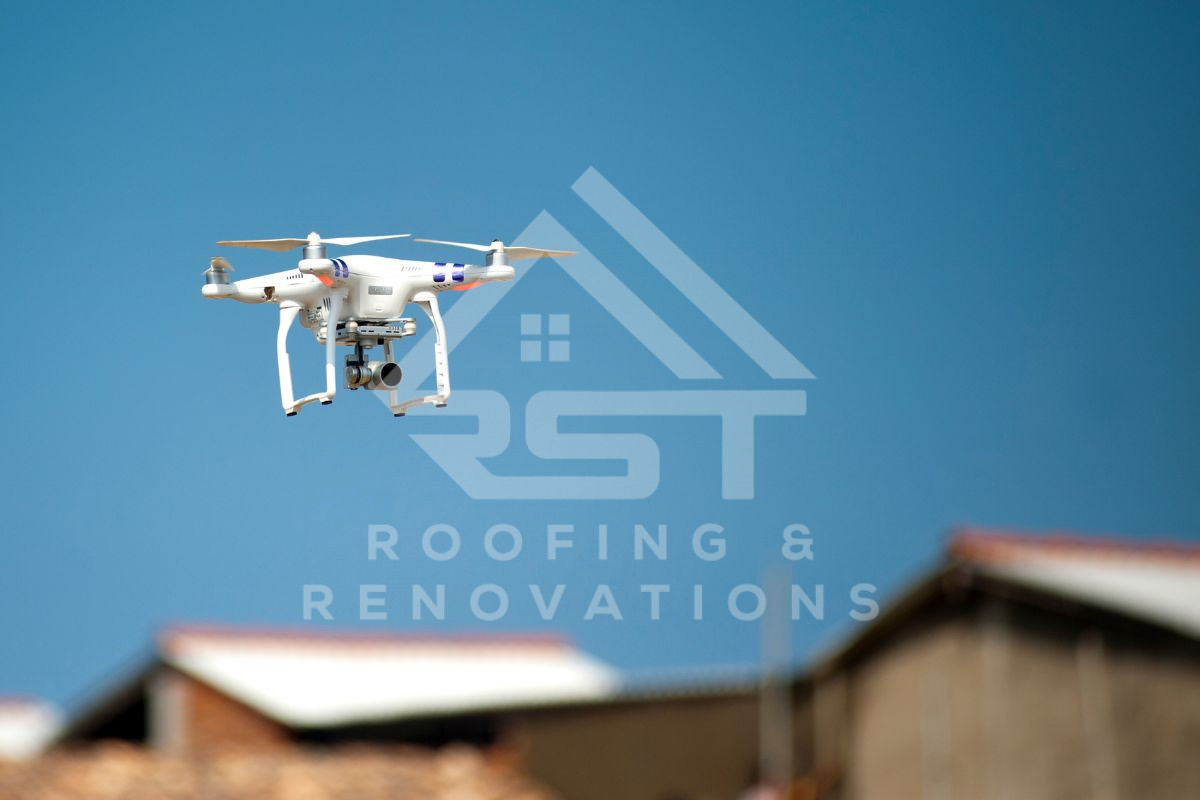
A complete commercial roof inspection catches those problems before they turn into expensive repairs. RST Roofing and Renovations, LLC works with building owners and property managers throughout Belvedere Park and the surrounding Atlanta metro area, bringing local knowledge of how this region's weather conditions affect commercial roofing systems. From ponding water and blocked drainage to blistering membranes and corroding metal parts, a thorough inspection gives you a clear picture of where your roof stands and what it needs to stay watertight through whatever the season brings.
Scheduling inspections twice a year, once in spring and again in fall, gives your property the best protection against the damage that builds up quietly over time. After a severe storm, a quick inspection is just as important, since high winds and driving rain can compromise seals and flashings in ways that are not visible from the ground.
A commercial roof inspection provides property owners with a clear understanding of current conditions, helping them make informed decisions about maintenance, repairs, and future planning.
Timing your commercial roof inspection correctly makes a real difference in what gets caught and how quickly you can act on it. Belvedere Park's weather patterns create specific windows where your roof is most vulnerable, and knowing when those are helps you stay ahead of problems rather than react to them.
| Inspection Timing | Primary Trigger | Key Concerns to Address |
|---|---|---|
| Spring | After the winter temperature changes | Seam separation, flashing movement, membrane shrinkage |
| Fall | Before storm season | Drainage clearance, the sealant’s structural integrity, and ponding risk areas |
| Post-Storm | Winds above 50 mph or significant hail | Flashing displacement, membrane punctures, base flashing gaps |
| Pre-Warranty Expiration | Before the coverage period ends | Compliance verification, existing damage documentation |
Beyond those scheduled windows, your roof can quietly develop issues that only show up during a professional inspection. Biological growth from the area's humidity can block drainage without any visible signs from ground level. Corrosion on metal parts tends to develop gradually in moist conditions, and soft spots in the roof deck often go undetected until the damage underneath has already spread. Staying on a consistent inspection schedule is the most reliable way to keep small issues from becoming expensive ones and to protect the people and equipment inside your facility.
Your roof membrane takes the brunt of Georgia's heat, humidity, and temperature changes every single day. We inspect the surface for blistering, punctures, shrinkage, and soft spots that signal moisture has worked its way beneath the membrane, where it quietly causes damage long before it shows up inside your building.
Flat and low-slope roofs in Belvedere Park are especially prone to standing water when drains get clogged with debris or the roof pitch is not directing flow properly. We check every drain, scupper, and low point on the roof to confirm water has a clear path off the surface, since ponding is one of the fastest ways to shorten a commercial roof's lifespan.
Every pipe, HVAC curb, vent, and rooftop unit creates a potential weak point where water can enter if sealants fail or flashings pull away. We inspect each part of the roof for gaps, cracking, or separation, with particular attention to flexible sealants that handle the constant movement caused by this region's temperature changes.
High humidity and heavy rainfall in the Atlanta metro area accelerate rust and corrosion on metal roof parts, including fasteners, drip edges, expansion joints, and pitch pockets. We inspect these areas for signs of weakening so you know which parts are holding up and which ones need attention before corrosion spreads or compromises the surrounding membrane.
Commercial properties in this part of Georgia deal with a lot year-round, and your roof absorbs most of it. The combination of heavy rainfall, persistent humidity, and seasonal temperature changes puts steady pressure on flat and low-slope roofing systems, and that wear adds up gradually in ways that are easy to overlook until the costs are harder to ignore. A routine inspection is one of the most practical things you can do to extend your roof's lifespan, protect the equipment and operations inside your building, and avoid the kind of repairs that come with a much bigger price tag.
RST Roofing and Renovations, LLC is ready to help you get a clear, honest picture of where your roof stands. Whether you are setting up your spring or fall inspection, following up after a recent storm, or simply getting on a schedule that works for your facility, reaching out is a straightforward first step. Contact us when you are ready, and we will take it from there.
Got questions about your roof? We’ve got answers. From maintenance tips to insurance claims and repair timelines, our FAQ section covers the most common concerns homeowners have. Get informed and make confident decisions about protecting your home.
High humidity in this part of the Atlanta metro area creates conditions where algae and moss can take hold on roof surfaces and around drains, blocking water flow in ways that are not obvious until standing water becomes a problem. It also accelerates corrosion on metal parts and promotes moisture retention beneath the membrane, which can spread quietly for months. Inspectors familiar with this region know to look closely at drainage points and roof decking firmness because of how quickly biological growth and trapped moisture develop here.
Pitch pockets and expansion joints are designed to flex, but repeated temperature changes between Georgia winters and summers put a lot of stress on the sealants and materials inside them. Over time, that constant movement causes sealants to crack or pull away, leaving gaps where water can get in well before any interior signs appear. During an inspection, these areas get careful attention because they are often where early failures begin on flat and low-slope commercial roofs in this climate.
Yes, and it happens more often than building owners expect. Membrane punctures, seam separations, and soft spots from moisture beneath the surface are rarely visible from street level or even from a casual walkover. A professional inspection covers the full surface of the roof up close, including areas around rooftop equipment and gaps where damage tends to develop without any outward warning signs.
Quality, Care, and Lasting Protection for Every Home and Business.

Schedule your complimentary, no-obligation roof inspection today with our certified experts.