

Quality, Care, and Lasting Protection for Every Home and Business.
- Comprehensive Roofing Services
- Experienced, Local Team
- Top-Quality Materials & Workmanship
- Exceptional Customer Service
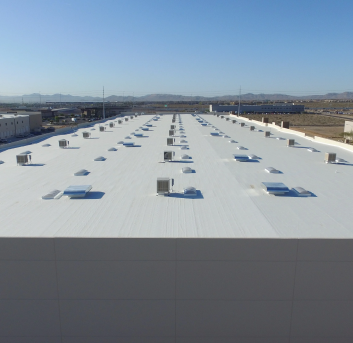
Clarkston sits in a part of Georgia where the weather does not go easy on commercial roofs. Summers bring temperatures that push into the 90s, intense UV exposure, and sudden storms that drive rain through any weak point in a roofing system. Then fall and winter bring cooler, wetter conditions that reveal whatever heat is left behind. That cycle repeats every year, and each round takes a toll. Sealants dry out around vents and gaps, flashing shifts, drains clog, and water finds its way in. Left unchecked, those small issues quietly grow into expensive repairs that disrupt your business operations and put your tenants and building in a difficult position.
A complete commercial roof inspection gives you a clear picture of exactly where your roof stands before problems escalate. RST Roofing and Renovations, LLC works with property managers and building owners across the Clarkston area and understands how Georgia's weather patterns wear down commercial roofing systems over time. The goal is not just to find damage but to give you the information you need to protect your property and plan. Catching a failing sealant or a clogged drain during a routine inspection costs far less than addressing the water damage that follows if those issues go unnoticed.
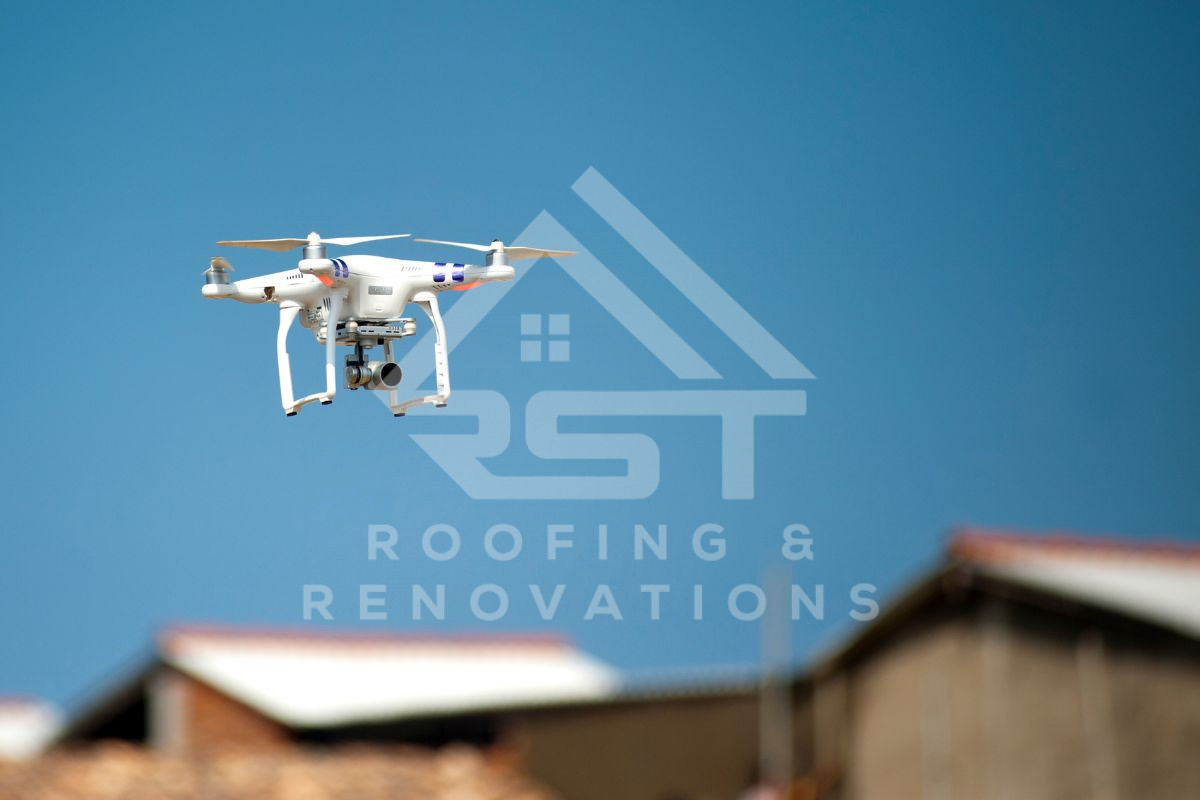
A detailed commercial roof assessment can reveal current conditions, maintenance needs, and potential concerns that may affect how a building is managed over time.
Georgia's heat, heavy rainfall, and sudden storms create conditions that push commercial roofs hard year after year. Knowing what warning signs to look for helps you catch problems early, before they turn into something far more expensive to fix.
| Warning Sign | What It Often Indicates |
|---|---|
| Ponding water on the surface of the roof | Clogged drains or low spots causing standing water that adds weight and accelerates membrane wear |
| Alligatoring or surface cracking | Membrane degradation from prolonged heat and drought exposure common in the North Atlanta area |
| Failing sealants around vents or gaps | Dried-out materials from UV exposure allow water to enter at vulnerable points |
| Loose or separated flashing | Wind-driven rain forcing water through roof-to-wall connections during sudden storms |
| Water stains on interior ceilings | Hidden moisture trapped under roofing layers that visual checks alone may not catch |
Many of these conditions develop gradually and are easy to overlook without a trained eye. Equipment anchoring points and ventilation units on commercial roofs also need regular checks, since heavy use and shifting can create stress points that are not visible from the ground. Scheduling a complete inspection twice a year, ideally in spring and fall, gives you the best chance of spotting these issues before they affect your building, your tenants, or your operations.
Commercial roofing membranes like TPO and EPDM take a beating from Georgia's intense UV exposure and sudden temperature changes, which can cause shrinkage, bubbling, and surface breakdown over time. Identifying these conditions early helps you understand the remaining life of your roofing system and plan repairs before a small problem turns into a full replacement.
Commercial roofs carry HVAC units, exhaust fans, and other mechanical equipment that create stress points where the membrane is most vulnerable to failure. Each anchor point and gap is checked for signs of movement, cracking, or sealant failure that could allow water into your facility.
Debris buildup in gutters, drains, and downspouts is one of the most common causes of ponding water on commercial roofs in the Clarkston area. During the inspection, drainage outlets are checked for blockages and flow issues so you get an accurate picture of how well your roof is actually shedding water after a storm.
Georgia's humidity and rainfall create conditions where moss, mildew, and other vegetation can take hold on commercial roof surfaces, trapping moisture and breaking down roofing materials from the surface down. Spotting these growth patterns during an inspection gives you a clear record of affected areas and what needs to be addressed before the damage spreads.
Georgia's heat and rainfall do not let up, and the wear they put on a commercial roof adds up faster than most property owners expect. Staying ahead of that wear is one of the most practical ways to extend the life of your roof, reduce long-term costs, and keep your facility running without interruption. Spring and fall are the best windows to schedule an inspection, and getting on the calendar before the seasons shift gives you the most useful picture of where your roof stands.
RST Roofing and Renovations, LLC is ready to help property owners and managers throughout Clarkston and the surrounding area get a clear, honest look at their commercial roofs. When you are ready to schedule or have questions about what to expect, reach out, and we will walk you through the next steps.
Got questions about your roof? We’ve got answers. From maintenance tips to insurance claims and repair timelines, our FAQ section covers the most common concerns homeowners have. Get informed and make confident decisions about protecting your home.
Yes, and it is worth knowing before your inspection. Older mechanical units tend to shift over time, which puts stress on the membrane and anchor points around them. The older the equipment is, the more closely those gaps and surrounding roof surfaces need to be checked, since years of vibration and temperature changes can loosen seals that look fine from a distance.
Georgia's long dry stretches cause roofing membranes and sealants to shrink and harden, so when heavy rain finally arrives, water moves quickly into any gap that opened up during the drought. That is why fall inspections in this area often turn up more active leak points than spring ones, even though summer is the drier season. Catching that shrinkage or cracking before the fall rains start is one of the more valuable things a fast inspection can do for your property.
Clearing drains and gutters before the inspection is worth doing if you can. Debris-covered drains can make it hard to get a true read on how well your drainage system actually performs after a storm, which is one of the more telling parts of any inspection. If clearing the roof is not practical, let the inspector know in advance so they can account for it in their findings and give you an accurate picture of drainage capacity.
Quality, Care, and Lasting Protection for Every Home and Business.
Schedule your complimentary, no-obligation roof inspection today with our certified experts.