

Quality, Care, and Lasting Protection for Every Home and Business.
- Comprehensive Roofing Services
- Experienced, Local Team
- Top-Quality Materials & Workmanship
- Exceptional Customer Service
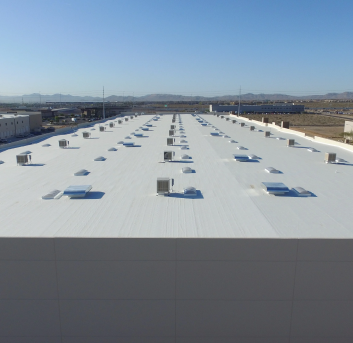
Clarkston sits in one of the busier storm corridors in Metro Atlanta, and commercial roofs here take a beating year after year. Summer brings highs pushing into the 90s, intense sun, and afternoon thunderstorms that test every seam, drain, and flashing on your roof. Add around 50 inches of annual rainfall and high humidity that keeps moisture in play long after a storm passes, and you have conditions that accelerate wear on flat and low-slope membranes faster than most building owners expect. When drainage backs up, or a seam starts to lift, that moisture does not stay on the surface. It works its way into insulation, roof decking, and interior ceilings, turning a small repair into a much larger project.
That is where RST Roofing and Renovations, LLC comes in. With experience on the commercial roofing systems most common to this area, including TPO, EPDM, modified bitumen, and built-up roofing, RST brings the hands-on knowledge needed to find the source of a problem and fix it correctly. Commercial roofs in this area tend to fail at the details: around HVAC curbs, at membrane laps, along flashings, and at clogged drains where ponding water builds pressure over time. Knowing where to look and what to do once you find it, is what separates a repair that holds from one that comes back to trouble you next season.
If you have never hired a commercial roofing contractor before, knowing what happens at each stage makes the repair easier to plan and manage. Here is exactly how RST Roofing and Renovations, LLC handles commercial roof repairs from the initial inspection through completion.
Flat and low-slope roofs are the standard on commercial buildings throughout this area, and they share a predictable set of weak points. Understanding where problems typically start helps you catch them early, before water reaches insulation or interior ceilings.
| Repair Issue | Common Cause | Why It Matters |
|---|---|---|
| Membrane seam separation | Heat exposure and wind stress cause laps to lift over time | Open seams allow water to travel under the membrane quickly |
| HVAC curb and leaks | Sealant breaks down around rooftop equipment and vents | One of the most frequent sources of active leaks on commercial roofs |
| Ponding water | Clogged drains or settled roof structure restricts drainage | Standing water adds weight and accelerates membrane wear |
| Punctures and impact damage | Service traffic, debris, and storms on low-slope roofs | Even small punctures allow moisture to work into the roof deck |
| Flashing failures | Temperature changes stress metal and sealant at roof edges and curbs | Failed flashing is a leading entry point for leaks along roof perimeters |
Most of these issues are repairable when caught early. Scheduling a complete inspection each spring and fall gives you a reliable window to address wear before Metro Atlanta's heaviest storm periods arrive.
Not every repair material works on every roofing system, and using the wrong one can cause more problems than it solves. RST uses materials matched to your specific membrane type, whether TPO, EPDM, PVC, modified bitumen, or built-up roofing, so repairs bond correctly and hold up to Clarkston's heat and rain cycles.
HVAC units, vents, and other rooftop systems create traffic patterns and attachment points that wear down over time, especially on busy commercial facilities. RST addresses curb seals, mounting details, and the areas around equipment that take repeated foot traffic, protecting both the surface of the roof and the equipment anchored to it.
Clogged drains and scuppers are one of the most common reasons ponding water develops on flat commercial roofs in this area. As part of the repair process, RST clears obstructions and checks that water has a clean path off your roof, reducing stress on the membrane between visits.
When a severe thunderstorm opens up a vulnerable section of your roof, waiting days for a full repair to be scheduled is not always an option. RST can seal exposed areas quickly to protect your facility's interior, insulation, and rooftop equipment from repeated rain exposure while a permanent repair is being prepared.
Georgia summers and the steady rain that follows them through fall take a real toll on flat and low-slope membranes. Over time, that wear shows up at seams, around rooftop equipment, and anywhere drainage slows down. Catching those problems early protects your facility from the kind of spread that reaches insulation and interior ceilings, and it keeps long-term repair costs lower than letting small issues sit through another storm season.
RST Roofing and Renovations, LLC works with commercial property owners and building managers across Clarkston to keep roofs in serviceable condition year after year. If you have noticed a stain, a soft spot, or drainage that does not seem right, reaching out for an inspection is a straightforward next step. The contact information and form on this page connect you directly with the RST team whenever you are ready.
Got questions about your roof? We’ve got answers. From maintenance tips to insurance claims and repair timelines, our FAQ section covers the most common concerns homeowners have. Get informed and make confident decisions about protecting your home.
On flat and low-slope roofs, water does not fall straight down once it gets past the membrane. It travels horizontally across the roof deck or through insulation before it finds a place to drop, which is why a ceiling stain might appear 10 or 15 feet from the actual breach. That is why tracing the source on a commercial roof takes experience with how water moves under a membrane, not just a visual scan of the wet spot inside.
It can, depending on the membrane type and the repair method used. Adhesives and sealants applied to TPO, EPDM, and modified bitumen systems perform best when surfaces are dry and temperatures are in a workable range, and Clarkston's humid summers can slow that process if conditions are not managed correctly. A crew that knows local weather patterns will time repairs and material application to give everything the best chance to bond and hold through the next storm cycle.
Foot traffic over a freshly repaired membrane before sealants or patches have fully set can compromise the bond, especially in areas where heat has already softened the surface. On commercial buildings with active HVAC service schedules, that timing matters more than most property managers realize. Letting your RST crew know about upcoming equipment service calls before repairs are scheduled helps protect the work and keeps the repair from being stressed before it’s ready.
Quality, Care, and Lasting Protection for Every Home and Business.
Schedule your complimentary, no-obligation roof inspection today with our certified experts.