


Quality, Care, and Lasting Protection for Every Home and Business.
- Comprehensive Roofing Services
- Experienced, Local Team
- Top-Quality Materials & Workmanship
- Exceptional Customer Service
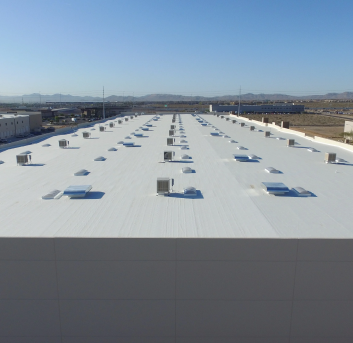
Decatur sits in the middle of metro Atlanta, where commercial roofs take a steady beating from the region's weather patterns. Hot, humid summers bring frequent afternoon thunderstorms and strong wind gusts. Fall drops a heavy amount of leaves and debris into drains and scuppers. Winter brings enough temperature changes to stress seams and flashing, even without heavy snow. On flat and low-slope roofs, which make up most of the commercial inventory in this area, that combination adds up fast. Blocked drains lead to ponding. Ponding leads to membrane damage. And membrane damage left alone turns into leaks that reach the interior before anyone realizes there's a problem.
That's why regular inspection and fast repair matter so much for commercial properties in Decatur. Catching a failing seam or a loose piece of flashing before the next rainstorm is far less expensive than dealing with water damage inside your facility. RST Roofing and Renovations, LLC works with building owners and property managers throughout the area to keep commercial roofs in working order, from clearing drains and patching membrane punctures to resealing flashing around HVAC curbs and parapet walls. The goal is straightforward: protect your property before small issues grow into larger repairs.
Whether your building took wind damage in a recent storm or you've noticed a stain on a ceiling tile, a thorough roof inspection is the right starting point for understanding what your roof actually needs.
If you have never dealt with a commercial roof repair before, the process can be difficult to picture. RST Roofing and Renovations, LLC keeps each stage clear so you know what is being evaluated, repaired, and reviewed.
Flat and low-slope commercial roofs in Decatur face a specific set of recurring problems, most of them tied to the region's heavy rainfall, humidity, and rooftop traffic from HVAC service work. Knowing what typically fails, and why, helps you spot trouble early and make informed decisions about repair scale.
| Repair Issue | Common Cause | Why It Matters |
|---|---|---|
| Membrane punctures | Rooftop foot traffic near HVAC units and service routes | Small punctures allow water to reach the roof deck before leaks appear inside |
| Flashing separation at parapet walls | Temperature changes and masonry movement over time | Gaps along masonry parapets create hidden leak paths that are hard to trace |
| Failed or lifted seams | Age, heat exposure, and standing water | Open seams are a direct entry point for water during any rainstorm |
| Blocked drains and scuppers | Leaf debris, pollen buildup, and storm deposits | Poor drainage leads to ponding, which accelerates membrane breakdown |
| Curb flashing wear around HVAC equipment | Vibration, settling, and repeated service traffic | Loose curb flashing allows water to enter around rooftop mechanical units |
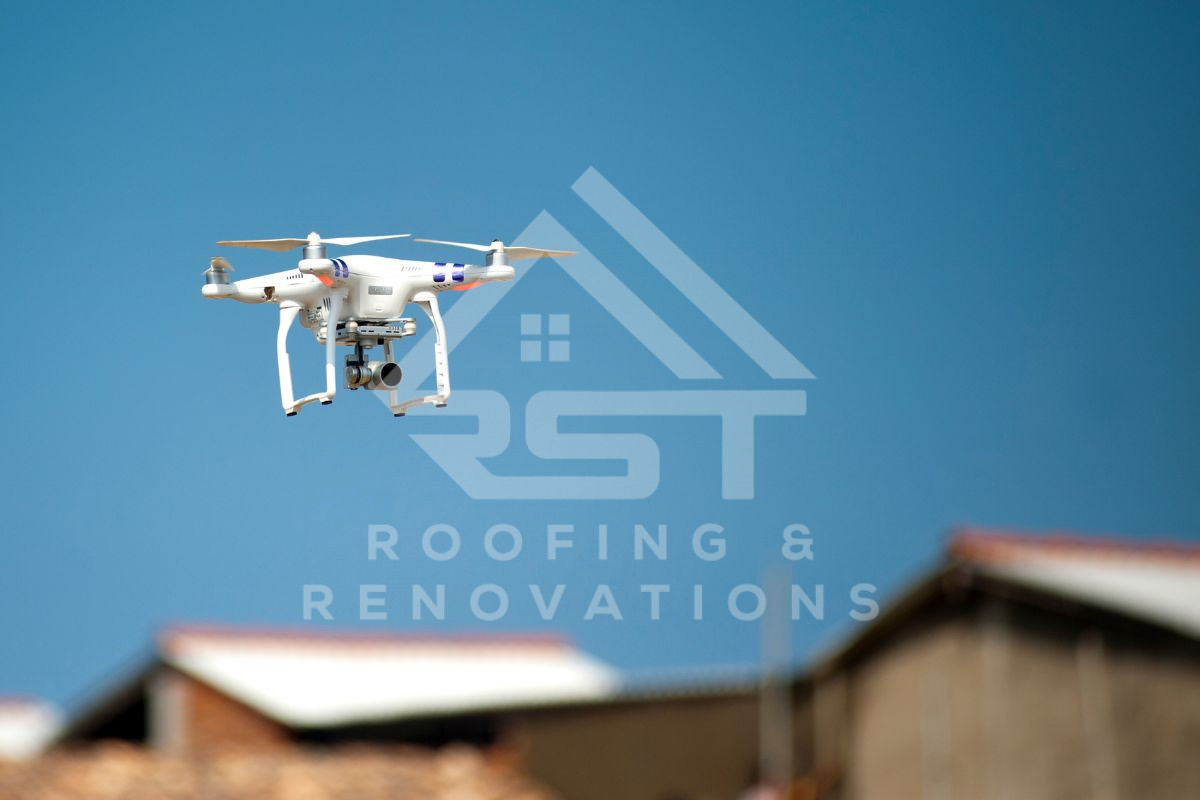
One thing worth keeping in mind: many of these issues are not visible from the ground. Windstorms and heavy rain can loosen flashing or create punctures that only show up on a close inspection of the surface of the roof itself. Having a condition report with photos after a storm gives you a clear record of what the roof looked like at a specific point in time, which is useful for planning repairs and tracking changes between inspections.
Not every commercial roof is repaired the same way. Whether your building has a TPO, EPDM, or modified bitumen system, the repair method needs to match the existing membrane to hold properly and last. Using the wrong approach on a flat or low-slope roof can cause a patch to fail quickly, which means the same area needs attention again after the next storm.
Rooftop traffic around HVAC units and mechanical equipment is one of the leading causes of membrane damage on commercial roofs in Decatur. Where service routes lack proper protection, we can install walkway pads along high-traffic paths and repair the membrane around curbs to reduce the risk of repeat punctures from routine equipment visits.
On commercial roofs that have been in service for several years, seams that haven't failed yet can still show early signs of lifting or separation. Reinforcing those areas during a repair visit extends the life of the surrounding membrane and reduces the chance that a second problem area develops before your next scheduled inspection.
Every repair visit includes a photo record of the work completed and the surrounding roof area. That documentation gives you a time-stamped reference point for your property's roof condition, which is useful for tracking wear between visits, planning future maintenance, and supporting any repair decisions tied to storm-related damage.
Decatur's weather doesn't let up, and flat and low-slope commercial roofs feel that pressure year-round. Between the heavy rainfall that tests drainage systems, the humidity that works on seams and flashing, and the rooftop traffic that creates puncture risks around mechanical equipment, there are plenty of ways a roof can develop problems quietly before anything shows up inside the building. Staying ahead of those issues is one of the most practical ways to protect your property and reduce long-term repair costs.
If your building is overdue for an inspection, or you've already noticed something that doesn't look right, RST Roofing and Renovations, LLC is ready to take a closer look. We work with building owners and property managers throughout the Decatur area and are straightforward about what your roof needs and what it doesn't. Reach out when you're ready, and we'll help you figure out the right next step.
Got questions about your roof? We’ve got answers. From maintenance tips to insurance claims and repair timelines, our FAQ section covers the most common concerns homeowners have. Get informed and make confident decisions about protecting your home.
It does, more often than most building owners expect. Technicians walking the same path to and from mechanical units repeatedly can create punctures and abrasion damage along service routes, especially on older membrane systems that have lost some flexibility. If your roof lacks walkway pads along those high-traffic paths, the membrane around HVAC curbs is one of the first places to check when tracing a leak.
The condition of the roof deck and the surrounding membrane largely determines the answer. If moisture has spread beyond an isolated area, a localized patch may not hold for long, and a partial replacement of the wet section may be the more practical fix. A close inspection that includes probing for soft spots and documenting the moisture boundary gives you a clearer picture of where targeted repair ends and a larger repair scale begins.
Metro Atlanta's tree canopy drops a heavy volume of leaves in fall, and that debris moves straight into flat roof drains, scuppers, and gutters. When those drainage points get blocked, water backs up and sits on the membrane longer than it should, which speeds up wear and can push water toward seams and flashing details. Getting drains cleared and the surface of the roof inspected before the cooler, wetter weather sets in is one of the more practical steps you can take to avoid leaks before the end of the year.
Quality, Care, and Lasting Protection for Every Home and Business.

Schedule your complimentary, no-obligation roof inspection today with our certified experts.