


Quality, Care, and Lasting Protection for Every Home and Business.
- Comprehensive Roofing Services
- Experienced, Local Team
- Top-Quality Materials & Workmanship
- Exceptional Customer Service
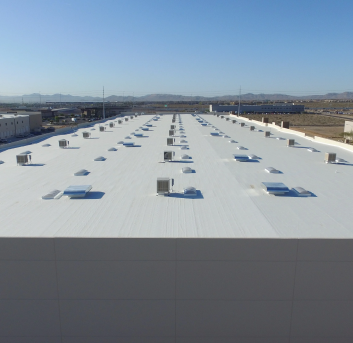
Scottdale sits in the Atlanta metro area, and if you manage or own a commercial property here, you already know the weather does not go easy on rooftops. High summer temperatures push into the 90s, which causes roof membranes to expand and contract repeatedly, wearing down seams and leaving small cracks that grow into bigger problems over time. Add in heavy annual rainfall, strong spring storms, and the occasional hail storm, and your flat or low-slope roof is constantly under pressure. When debris clogs your internal drains and water starts pooling, the damage to ceilings, insulation, and the roof deck can move fast and get expensive quickly.
A complete commercial roof inspection gives you a clear picture of where your roof stands before small issues turn into major repairs. RST Roofing and Renovations, LLC works with property owners and managers throughout the Scottdale area, bringing hands-on knowledge of how local weather patterns affect commercial roofing systems. From checking seams, flashings, and gaps to looking at drainage and membrane condition, a thorough inspection covers the parts of your roof most vulnerable to this region's weather conditions.
Catching problems early keeps your building protected, your tenants comfortable, and your repair costs in check. Whether your roof is a few years old or well past its expected service life, regular inspections are one of the most valuable steps you can take to protect your property and keep operations running without interruption.
A commercial roof inspection identifies current conditions, potential maintenance needs, and areas that may require attention to help property owners plan future decisions with accurate information.
Timing your commercial roof inspections around local weather patterns gives you the best chance of catching problems before they get expensive. Scottdale's heavy annual rainfall, high summer temperatures, and active spring storm season all create conditions that stress roofing materials in different ways throughout the year. Two inspections per year are the standard recommendation for most commercial properties in this area, but certain events should trigger an additional visit regardless of your regular schedule.
| Inspection Trigger | Recommended Timing | Primary Concern |
|---|---|---|
| Routine spring inspection | Late winter to early spring | Membrane stress from temperature changes, seams, and flashing separation |
| Routine fall inspection | Early fall before storm season | Debris buildup in drains, ponding risk, membrane shrinkage |
| Post-storm inspection | After high winds or hail storms | Lifted edges, dislodged flashing, punctures, perimeter damage |
| Drain performance concern | Any time pooling is visible | Clogged internal drains, sagging ceilings, and roof deck damage |
If your property has older membranes or a history of drainage issues, erring toward more frequent inspections makes sense. Staying on a consistent schedule means small problems get caught early, and your roof documentation stays current for compliance purposes.
Your roof membrane takes the most direct hit from Scottdale's heat, rainfall, and storm activity. During an inspection, we check the surface for alligatoring, bubbling, shrinkage, and early cracking that signal the membrane is breaking down and leaving your facility exposed to leaks.
Clogged internal drains and downspouts are one of the most common problems on commercial flat roofs in this area. We inspect every drain opening and surrounding surface for debris buildup, standing water, and signs that pooling has already caused damage to the roof deck or interior ceilings below.
Roof gaps like vents, curbs, and expansion joints are frequent entry points for water when seals fail or materials separate under repeated temperature changes. We check that all flashings, seams, and gap seals are fully adhered and free of errors, cracks, or excess moisture that could allow water to work its way in.
The edges of your commercial roof are especially vulnerable during strong spring storms and high-wind storms common to the Atlanta metro area. We inspect perimeter edges for lifting or curling and verify that fasteners and base flashings are secure so your roof stays in place when the next round of severe weather moves through.
Scottdale's combination of heavy annual rainfall, high summer temperatures, and active storm seasons puts real and ongoing pressure on commercial roofing systems. Flat and low-slope roofs in this area deal with pooling water, membrane wear, and drainage stress year after year. Staying on a regular inspection schedule helps you catch those problems while they are still manageable, protect the building and the people inside it, and avoid the kind of repair bills that come from issues left too long without attention.
RST Roofing and Renovations, LLC is ready to help you get a clear, honest picture of where your roof stands. If you are a property owner or manager in the Scottdale area and want to get a complete commercial roof inspection scheduled, reach out to our team, and we will find a time that works for your facility.
Got questions about your roof? We’ve got answers. From maintenance tips to insurance claims and repair timelines, our FAQ section covers the most common concerns homeowners have. Get informed and make confident decisions about protecting your home.
Yes, and more than most property owners expect. With around 50 inches of rain annually, flat and low-slope roofs in this area deal with near-constant moisture exposure that accelerates wear on seams, membranes, and drain systems. Over time, that kind of repeated moisture exposure can lead to biological growth, roof deck softening, and slow leaks that do not show up until the damage is already widespread. Sticking to an inspection schedule, twice a year minimum, is the most reliable way to stay ahead of what the local rainfall puts your roof through.
Pulling together your maintenance logs and any records of past repairs is one of the most helpful things you can do before an inspection. Those records let the inspector connect current conditions on the roof to its history, which makes it easier to spot patterns, like a seam that has been repaired more than once or a drain that keeps backing up. You will also want to ensure roof hatches are clear and that access to gaps like vents and drains is not blocked by stored equipment or debris.
After a significant wind or hail storm, the focus shifts toward the roof's most vulnerable spots: perimeter edges, base flashings, and any gaps where seals may have separated under pressure. Lifted edges and dislodged flashing can look minor from the ground but allow water to get under the membrane quickly. In this region, where spring storm activity can be intense and unpredictable, a post-storm inspection covers details that a routine visit might not prioritize, giving you a complete picture of any new damage before it gets worse.
Quality, Care, and Lasting Protection for Every Home and Business.

Schedule your complimentary, no-obligation roof inspection today with our certified experts.