


Quality, Care, and Lasting Protection for Every Home and Business.
- Comprehensive Roofing Services
- Experienced, Local Team
- Top-Quality Materials & Workmanship
- Exceptional Customer Service
Scottdale sits in a part of Georgia where the weather puts commercial roofs through a real workout. With around 50 inches of rainfall each year and well over 150 days of precipitation, flat and low-slope roofs on warehouses, retail centers, and office buildings take a constant beating. Summer heat pushes temperatures into the 90s, and winter nights can dip into the upper 20s. That kind of temperature swing stresses aging membranes, causes seams to separate, and leaves low spots where water collects and sits. Ponding water is one of the fastest ways a manageable issue turns into a serious structural problem, and in this market, it happens more often than most property owners expect.
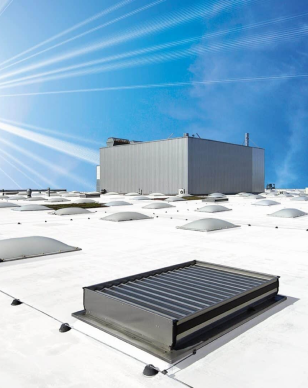
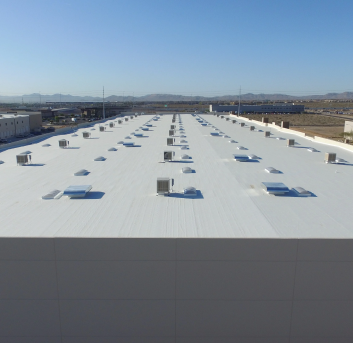
Professional commercial roof replacement addresses these challenges directly by removing failing materials and installing systems built to handle the specific weather conditions here in DeKalb County. RST Roofing and Renovations, LLC works with local building owners and property managers who need a roof that protects their tenants, their inventory, and their daily operations. A properly installed commercial roof does more than stop leaks. It keeps your facility running without interruptions, protects the structure beneath it, and holds up through years of Georgia weather without constant repairs pulling your attention away from your business.
A major roofing project raises important questions, and understanding each step provides clarity from start to finish.
For commercial properties in Scottdale, the two most practical membrane options are TPO and EPDM. Both are well-suited to the low-slope roofs common across DeKalb County's warehouses, retail centers, and office buildings, but they perform differently depending on your facility's specific needs. Understanding those differences helps you make a confident decision before installation begins.
| Feature | TPO Roof | EPDM Roof |
|---|---|---|
| Reflectivity | High: deflects heat during hot Georgia afternoons to reduce cooling needs | Standard: dark surface absorbs heat, which can be useful in cooler seasons |
| Seam Performance | Heat-welded seams create strong, durable bonds | Excellent flexibility through temperature changes reduces seam separation |
| Ponding Water Resistance | Strong resistance: handles frequent pooling from heavy rainfall | Strong resistance: rubber membrane holds up well against standing water |
| Material Compatibility | Single-ply: meets local wind uplift and material standards for aging structures | Single-ply: also compatible with older building stock under DeKalb County requirements |
| Large Facility Installations | Suitable for phased installation to keep operations running | Suitable for phased installation across expansive industrial roof areas |
If your building is over 10 years old, material compatibility with the existing structure is a real consideration, not just a technicality. Both TPO and EPDM qualify as single-ply membranes that meet wind uplift requirements, which matters in an area that sees its share of severe thunderstorms each year.
Georgia's weather doesn't ease up on commercial roofs, and the longer a failing system stays in place, the more exposure your building absorbs. A replacement done right extends the life of your asset, reduces the ongoing cost of repairs, and keeps your tenants and operations from dealing with disruptions that affect the bottom line. Scheduling an inspection before conditions get worse gives you a clear picture of where things stand and what your options actually are.
RST Roofing and Renovations, LLC works with property managers and building owners in the Scottdale area who want a durable, code-compliant roofing system installed by a crew that knows what holds up in this market. When you're ready to move forward, reach out to schedule a roof inspection and get a detailed quote for your commercial property.
Got questions about your roof? We’ve got answers. From maintenance tips to insurance claims and repair timelines, our FAQ section covers the most common concerns homeowners have. Get informed and make confident decisions about protecting your home.
Timing does matter, especially given how active Georgia's storm season gets between late spring and early fall. Scheduling your replacement outside of peak storm windows gives the membrane time to seat and bond properly without rain interruptions mid-installation. Late fall and early spring tend to offer the most predictable weather windows in this area, which helps keep the project on schedule and reduces the risk of delays that push your facility out of operation longer than expected.
HVAC units, skylights, vents, and drains all require careful flashing and reintegration when the membrane is replaced, and this is one area where corners get cut on rushed jobs. Any gap that isn't properly sealed after installation becomes a direct path for water to reach the deck and framing below. Before your project begins, ask your contractor specifically how they handle existing equipment and what the flashing detail looks like at each gap point. That conversation tells you a lot about the quality of the installation you're going to get.
Deck condition isn't always visible from the surface, but soft spots underfoot, sagging between supports, and discoloration on interior ceilings near roof gaps are signs the deck may have absorbed water over time. During the initial inspection, a qualified contractor will probe suspect areas and check for deterioration that could affect how the new membrane performs. If sections of the deck need to be replaced before installation begins, that work should be identified and included in your project’s scale upfront, not discovered mid-job.
Quality, Care, and Lasting Protection for Every Home and Business.

Schedule your complimentary, no-obligation roof inspection today with our certified experts.