


Complete Guide to the Gutter Replacement Process for Atlanta Homeowners
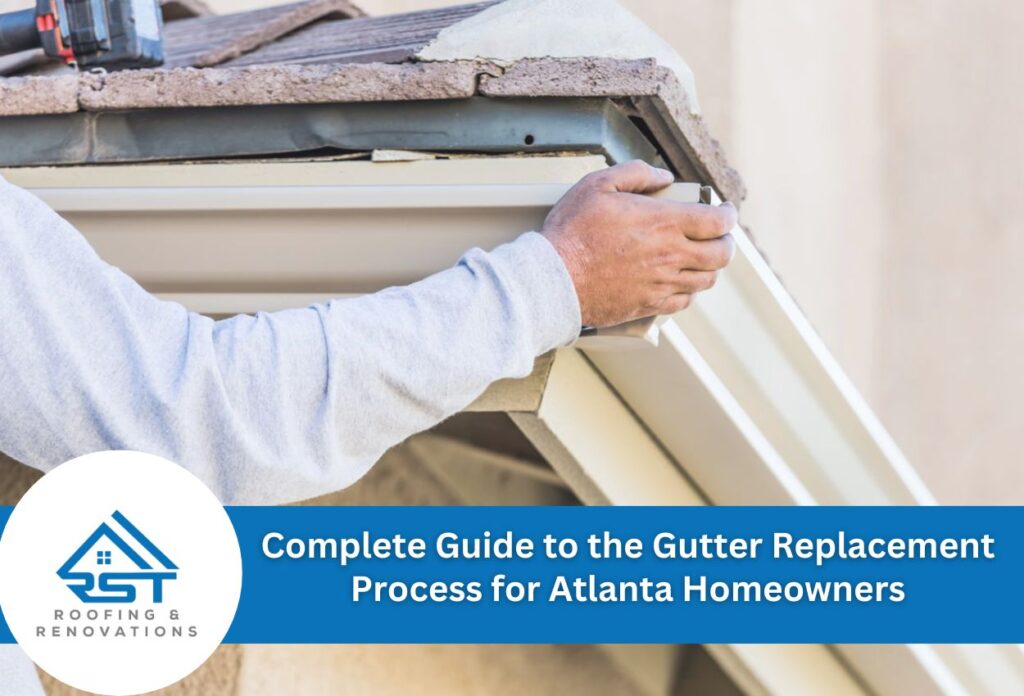

The gutter replacement process has several steps that determine both the longevity of your home’s drainage system and protection against water damage. When gutters begin showing signs of wear, understanding the replacement procedure helps homeowners plan for their property maintenance needs.
DIY gutter installation has become increasingly popular among homeowners who want to tackle this home improvement project themselves. The process requires specific gutter replacement tools, careful planning, and attention to detail throughout each phase of installation. Success depends heavily on proper preparation and following established procedures.
Measuring gutters for replacement is the first step in any successful project. Accurate measurements ensure efficient water flow and prevent expensive mistakes during installation. Removing old gutters carefully is the next step and is necessary to avoid damage to surrounding materials.
The replacement process typically spans multiple days, depending on home size and weather conditions. Professional-grade tools and safety equipment make the job more manageable and reduce risks associated with working at elevated heights. Overall, installing new gutters requires patience and precision. Each part of the system must align correctly to create an effective drainage path that channels water away from the foundation, protecting your home for years to come.
Essential Tools and Materials for Successful Gutter Replacement
Having the right gutter replacement tools makes the difference between a professional-quality installation and a problematic drainage system. The gutter replacement process requires specialized equipment designed specifically for removing old gutters and installing new components safely and effectively.
Safety equipment is non-negotiable for any professional or DIY gutter installation project. A sturdy ladder with stabilizer arms, work gloves, safety glasses, and non-slip footwear prevent accidents during the replacement process. Measuring gutters for replacement requires a tape measure, chalk line, and level to ensure accurate slope calculations.
Specialized tools streamline the installation process significantly. A hacksaw or miter saw cuts gutters to exact specifications, while a drill with various bits secures brackets and downspouts. Gutter sealant, pop rivets, and a rivet gun create watertight connections between sections. Tin snips handle detailed cuts around corners and outlets.
Material selection impacts long-term performance and durability. Aluminum gutters offer excellent corrosion resistance, while vinyl provides affordability for budget-conscious homeowners. Copper gutters deliver premium aesthetics but require specialized installation techniques. Installing new gutters becomes more efficient with all the materials prepared.
Hardware components include hangers, brackets, screws, and end caps that secure the system to fascia boards. Downspout straps, elbows, and extensions complete the drainage network. Quality materials and tools ensure the replacement project delivers lasting protection against water damage.
Accurate Measuring Techniques for Perfect Gutter Sizing
Measuring gutters for replacement requires specific calculations that account for roofline dimensions, material expansion, and drainage requirements. Accurate measurements prevent material shortages and eliminate wasteful over-purchasing.
Begin measurements at one end of the roofline, working along each section where gutters will be installed. Record the linear footage of each straight run separately, then add corner measurements and downspout locations. Gutter installation projects benefit from creating detailed sketches that mark exact dimensions and connection points throughout the drainage system.
Slope calculations ensure proper water flow toward downspouts during normal rainfall conditions. Professional standards recommend a quarter-inch drop for every 10 feet of gutter run. Use a string line and level to establish consistent slope measurements along the entire roofline. Mark fascia boards at measured intervals to maintain pitch during installation.
Downspout placement calculations depend on roof area and local rainfall patterns. Generally, one downspout handles drainage for 20 to 40 feet of gutter length. Removing old gutters provides opportunities to relocate downspouts for improved drainage efficiency. Predetermining downspout locations can make the installation process more efficient and straightforward.
Material calculations should include extra for cuts, mistakes, and future repairs. This buffer ensures enough supplies are ordered without significant waste during the replacement process.
Safe and Efficient Old Gutter Removal Methods
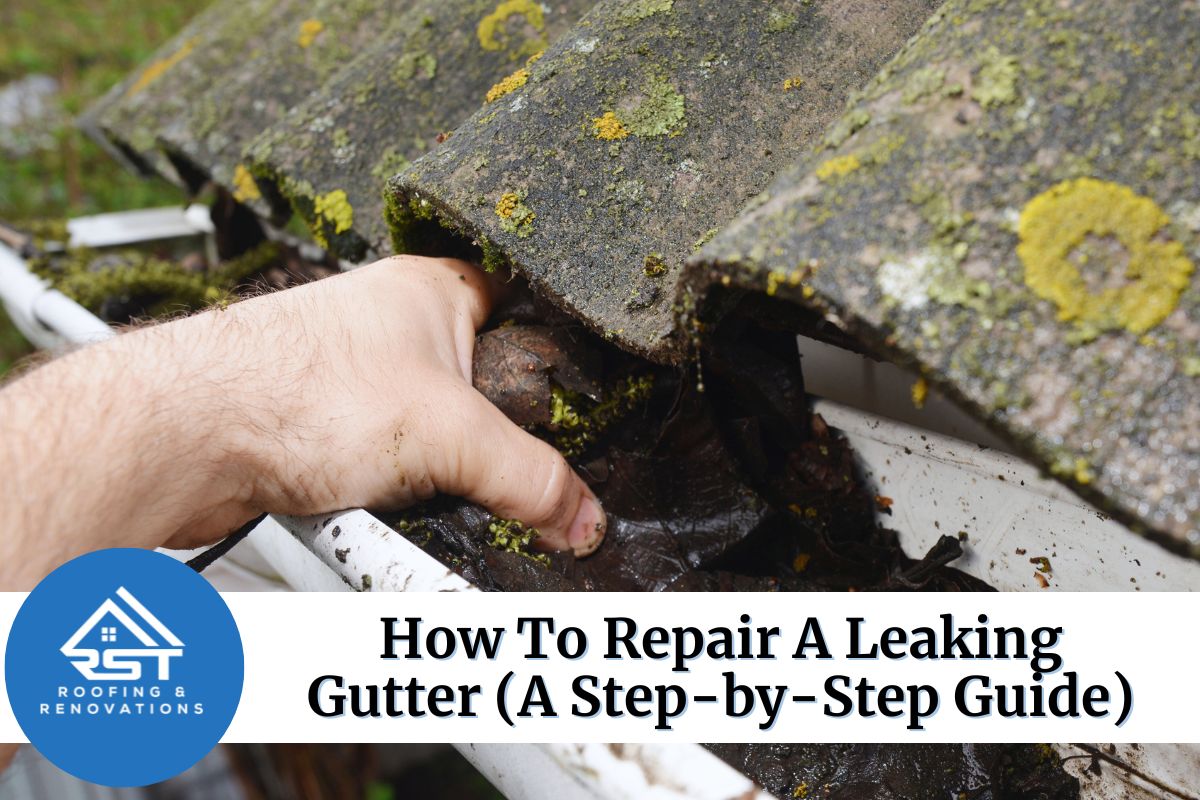
Removing old gutters safely requires specific techniques that preserve fascia boards and prevent structural damage. Start by detaching downspouts from their mounting brackets, working from bottom connections upward to maintain control of heavy sections. Proper removal techniques keep the underlying structure intact for the new gutters.
Begin disconnecting at the end caps and work toward the downspouts, removing screws and hangers methodically. Support each gutter section while removing fasteners to prevent sudden dropping that could damage roofing materials or cause injury. DIY gutter installation projects benefit from having a helper steady sections during removal, especially when working with longer runs that become unwieldy when detached.
Inspect fascia boards thoroughly after removing old gutters to identify any rot, damage, or areas requiring repair before the new system is installed. Water damage often hides behind gutters, making removal the ideal time for a structural assessment. Replace damaged fascia sections and allow repairs to cure completely before beginning new installation.
Disposal methods for old materials vary by local regulations and material composition. Many recycling centers accept metal gutters, including aluminum, reducing landfill waste while potentially providing modest compensation. Check local disposal requirements before beginning the removal process to ensure old materials and any hazardous substances like lead-based paints are handled correctly.
Step-by-Step New Gutter Installation Process
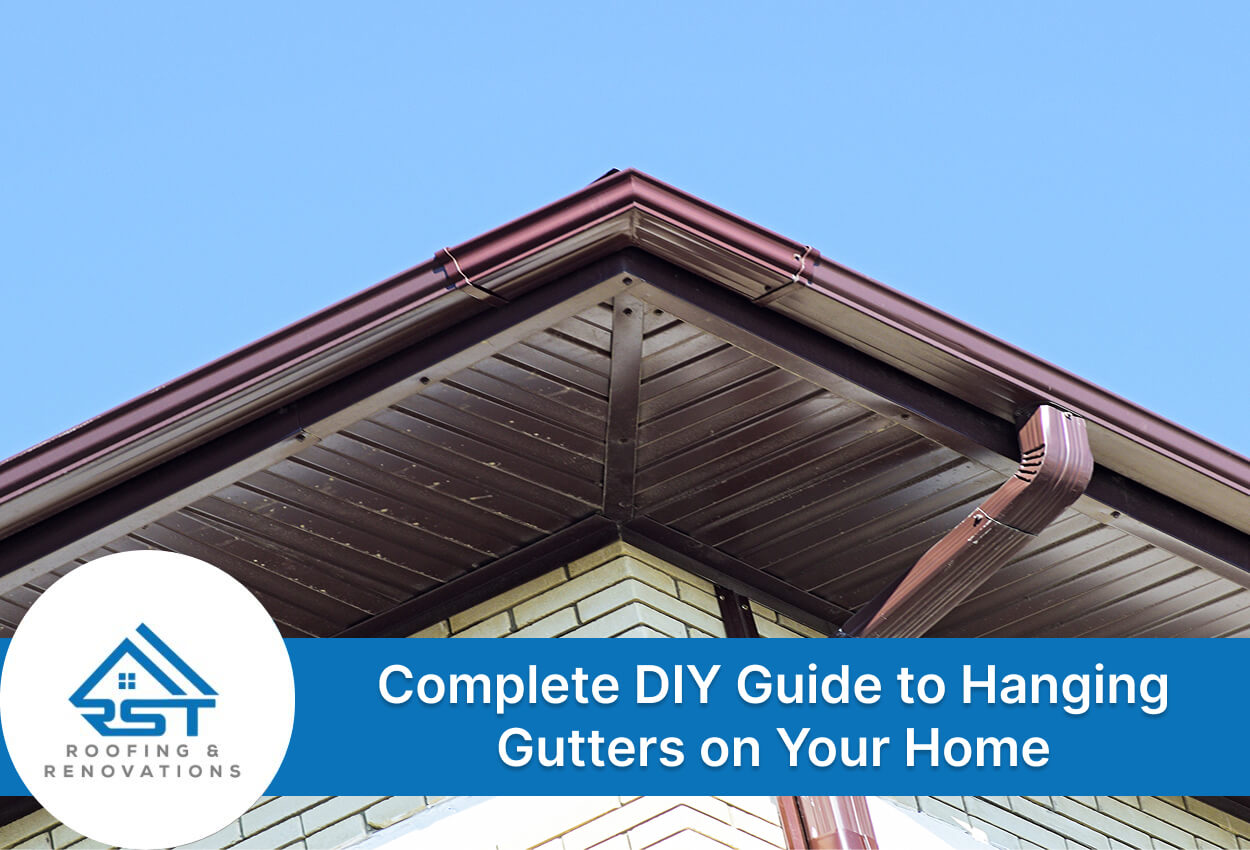
Installing new gutters step by step begins with mounting the bracket system that supports the entire drainage network. Position brackets every 2 to 3 feet along the fascia board, starting at the highest point and working toward each downspout. Use a chalk line to maintain consistent alignment while securing each bracket with appropriate fasteners that are drilled into solid wood backing.
The gutter replacement process continues with hanging the first section at the starting point, ensuring it is completely secured to the mounted brackets. Connect subsequent sections using slip joints or seamless techniques, depending on the chosen gutter system. Apply high-quality sealant to all connection points before joining sections together. DIY gutter installation requires patience during this phase to achieve professional-grade watertight seals.
Downspout Installation and Verifying Smooth Water Flow
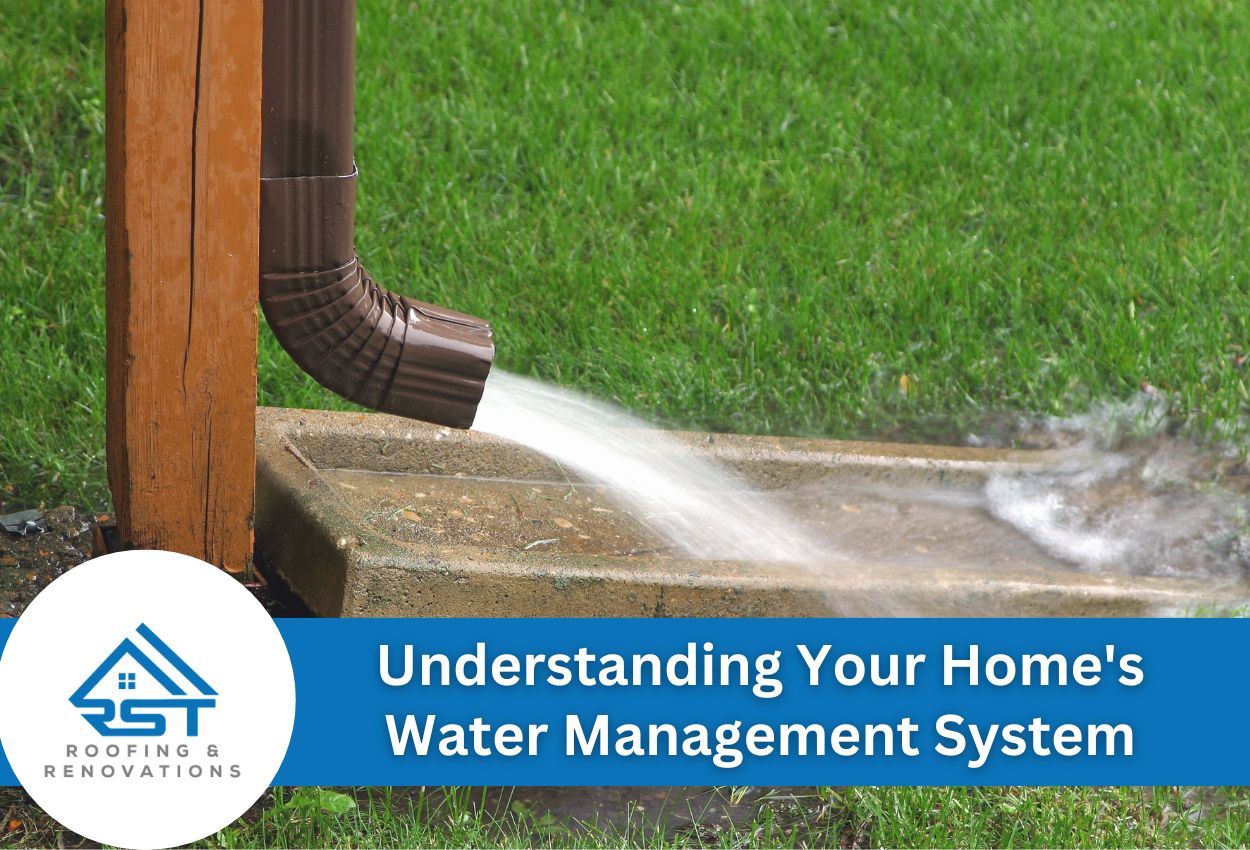
Downspout placement is the final phase of the gutter replacement process. Proper positioning ensures effective water diversion away from the foundation, exterior walls, and landscape areas that could suffer erosion damage. The installation requires precise measurements and secure mounting techniques that withstand seasonal weather variations and heavy rainfall.
Downspout assembly begins with connecting elbow sections that redirect water flow from horizontal gutters to vertical downspout runs. These connections must create smooth water transitions without backing up during peak flow periods. New gutters should include positioning elbows to clear roof overhangs and architectural features while maintaining optimal drainage angles.
Secure mounting involves installing downspout straps at regular intervals along exterior walls using appropriate fasteners for different siding materials. Vinyl siding requires different attachment methods than brick or wood surfaces. Gutter installation projects in Georgia benefit from using expansion-type fasteners that accommodate seasonal movement without loosening over time.
Testing the completed drainage system can reveal potential flow problems before they cause water damage. Run water through each gutter section while observing downspout discharge rates and checking for standing water. Correctly measured gutters earlier in the process should eliminate most flow issues, but final adjustments may be necessary for optimal performance.
Make adjustments to eliminate overflow conditions by repositioning brackets or modifying slope angles. The gutter replacement process concludes successfully when water flows smoothly through all sections without backup or excessive spillage during simulated heavy rainfall conditions.
Maintenance Tips to Extend Your New Gutter System’s Lifespan
Regular maintenance protects the investment made during the gutter replacement process and prevents premature system failure. A well-maintained drainage system can last decades when homeowners follow consistent care routines that address seasonal challenges and prevent minor issues from worsening.
Spring maintenance focuses on removing debris accumulated during winter and inspecting connections for damage from freeze-thaw cycles. Clean all gutter sections thoroughly, paying special attention to downspout openings where clogs commonly develop. Check bracket attachments and tighten any loose fasteners that may have worked free during temperature fluctuations. This seasonal inspection prevents water backup that could damage the system installed during DIY gutter installation projects.
Fall preparation involves removing leaves and organic matter before they decompose and create acidic conditions that accelerate corrosion. Installing new gutters creates a clean system, but regular debris removal maintains its performance. Inspect seams and joints for separation, applying fresh sealant where needed to prevent leaks from developing.
Warning signs of potential problems include water stains on exterior walls, pulling gutters, and standing water after rainfall. These indicators suggest the drainage system requires immediate attention to prevent structural damage. Taking care of issues promptly protects the work completed during the original gutter replacement process.
Simple repair techniques include resealing joints, adjusting gutter replacement tools for minor slope corrections, and replacing damaged sections before they compromise the entire system. Professional inspections help identify when expert repairs become more cost-effective than continued maintenance efforts.
Expert Gutter Replacement Services in Atlanta
If you’re feeling overwhelmed by the gutter replacement process, let RST Roofing and Renovations, LLC handle the job for you! Replacing gutters is not just about enhancing your home’s appearance — it’s crucial for protecting your property from water damage. With our expertise in handling Atlanta’s unique weather conditions, we ensure a seamless and efficient gutter installation. Don’t risk improper installation by going it alone. Call us today at (404) 548-8901 and ensure your home is protected with professionally installed gutters that last. Act now to safeguard your home with the best in the business!