



Proper gutter installation protects homes from water damage that can impact foundations, siding, and landscaping. When rainwater cannot flow away from the house effectively, it pools around the foundation and seeps into basements or crawl spaces. Understanding how to hang gutters correctly prevents these expensive problems and keeps the structural integrity of any home intact.
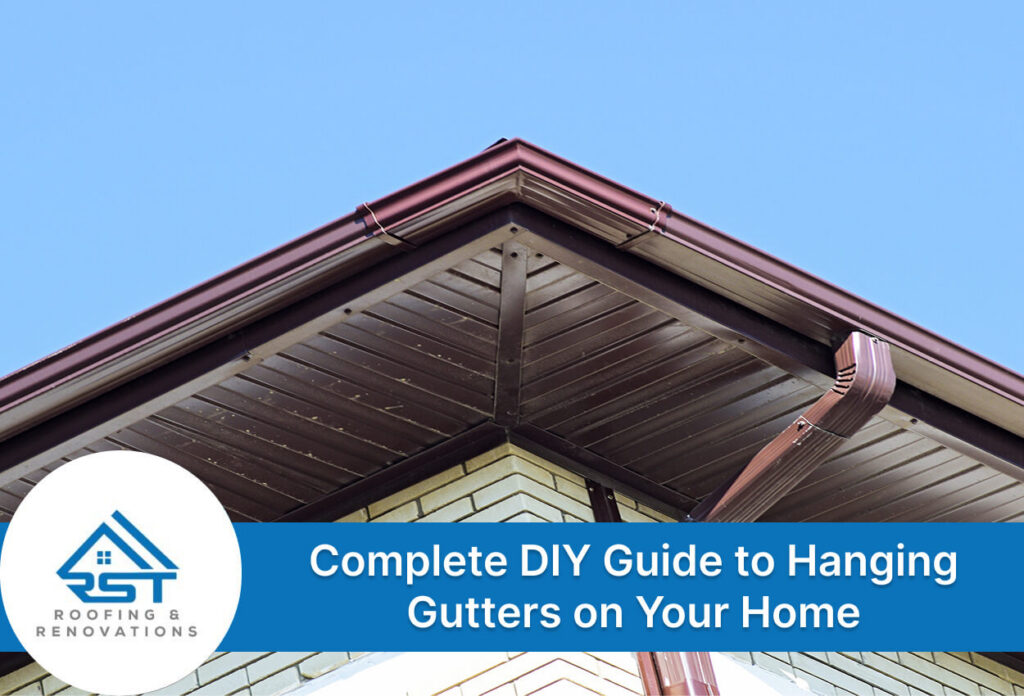
The gutter installation process requires careful planning and attention to detail, but homeowners with basic DIY skills can complete this project successfully. Installing gutters yourself typically takes 1 to 2 days, depending on the home’s size and the complexity of its architecture. The process involves measuring and marking proper slopes, securing gutter mounting brackets to the fascia board, and connecting sections to create a seamless water management system.
Gutter slope and pitch play important roles in effective drainage. Water must flow toward downspouts without pooling in sections or overflowing during heavy rainfall. Achieving the correct angle requires precise measurements and careful bracket placement along the roofline.
Downspout installation completes the system by directing water away from the foundation. Each component works together to channel rainwater safely away from the home’s structure. Homeowners who master these techniques can install professional-quality gutters while avoiding the expense of contractor services.
The Right Tools and Materials for DIY Gutter Installation
In order to have a successful gutter installation, you’ll need specific tools and the right materials to be safe and get a professional result. A sturdy extension ladder serves as the most critical piece of equipment, allowing secure access to the roofline throughout the project. A cordless drill with various bits handles bracket installation and fastening tasks efficiently. A 4-foot level ensures proper gutter slope and pitch measurements, while a measuring tape and chalk line help mark accurate placement points along the fascia board.
Additional tools include a hacksaw, circular saw, or miter saw for cutting gutter sections to length, tin snips for trimming metal components, and a hammer for general installation tasks. Safety equipment, like work gloves and safety glasses, protects you against sharp edges and debris during the installation process. Another important item to have is quality sealant, which will prevent leaks at joints and connections throughout the completed system.
Material selection impacts the system’s longevity and performance the most. Aluminum gutters offer durability and corrosion resistance, while vinyl provides an affordable alternative for budget-conscious homeowners. Gutter mounting brackets must match the chosen gutter style and support the system’s weight when filled with water. Stainless steel screws and bolts that secure these connections should match the look of your gutters, so individual components don’t stand out. Downspout installation requires elbows, extensions, and splash blocks to direct water flow properly, but should also work with the color and look of the full system to match and maintain curb appeal for your home.
Planning Your Gutter Layout and Measuring
Accurate measurements are the key to a successful gutter installation and will determine the materials needed for the project. Begin by measuring each section of roofline where gutters will be installed, recording the linear footage for each run. Walk around the home’s perimeter and note any obstacles such as air conditioning units, utility meters, or architectural features that may affect gutter placement. These measurements help calculate the total amount of gutter sections, mounting brackets, and accessories required for the installation.
Determining downspout locations requires careful consideration of water flow patterns and drainage options. Position downspouts at corners whenever possible. This will minimize the number of joints, gaps, and connections that could lead to leaks or total gutter failure. Each downspout should handle approximately 30 to 40 feet of gutter length for the best performance. Mark these locations with chalk or temporary markers to visualize the complete layout before beginning the installation.
Setting the Proper Slope and Pitch for Water Flow
Establishing the correct slope and pitch represents the most important aspect of the gutter installation process, as improper angles cause water to pool and overflow during heavy rainfall. The standard slope requires 1 inch of drop for every 20 feet of gutter run, creating sufficient gravity flow toward downspouts. This angle appears minimal to the eye but provides adequate force to move water efficiently through the entire system without creating sagging or steep angles that take away from the home’s appearance.
Begin marking the slope by identifying the highest point of each run, typically at the end, opposite the downspout. Use a chalk line to establish a straight reference line along the fascia board, then measure down from this line at regular intervals to mark the gradual descent toward the downspout. Doing a DIY gutter installation requires patience during this step, as accurate measurements prevent future drainage problems and standing water issues.
Maintain consistent pitch by checking measurements frequently with your 4-foot level throughout the marking process. Place gutter mounting brackets according to these slope marks, ensuring each bracket follows the established angle precisely. The brackets must support the system while preserving the correct pitch for the water’s flow. Verify the slope accuracy by pouring water into completed sections during testing phases, confirming that water moves quickly toward downspouts without pooling in low spots or joints between gutter sections.
Installing Gutter Mounting Brackets and Hangers
Installing gutter mounting brackets requires precise spacing and secure attachment to ensure the system supports water weight without sagging or failing. Space brackets every 24 to 36 inches along the fascia board, with a closer spacing of about 18 inches in areas that experience heavy snowfall or frequent storms. Place brackets within 6 inches of each gutter joint and at both ends of every gutter run to provide maximum support at connection points where stress concentrates during water flow.
Secure each bracket directly into the fascia board using 1.5 to 2-inch galvanized screws or lag bolts that get into the rafter tails behind the fascia. This connection method distributes the gutter system’s weight across the home’s structural framework rather than relying solely on the fascia board material. Pre-drill holes slightly smaller than the diameter of the screw to prevent wood splitting while ensuring tight connections that resist loosening over time.
Position brackets to maintain the established gutter slope and pitch by aligning each mounting point with the previously marked chalk line. Use your level to verify that adjacent brackets follow the correct angle before completely driving the screws in. Check that brackets align properly with the fascia board edge, positioning them to center the gutter section and prevent tilting that could cause water to spill over the edges. Quality gutter mounting brackets feature adjustment mechanisms that allow fine-tuning of the angle after installation, accommodating minor variations in fascia board alignment while preserving proper drainage flow toward downspout locations.
Hanging Gutters and Creating Seamless Connections
Lifting and positioning gutter sections requires careful coordination to maintain alignment while creating secure connections throughout the system. Begin by having a helper support one end of each gutter section while positioning the opposite end in the first bracket. Work along the fascia board, settling each section into the gutter mounting brackets while checking that the established slope is consistent. The gutter installation process becomes more efficient when sections are lifted smoothly into place without forcing or bending the material.
Creating leak-proof connections between pieces requires joint preparation and sealant application. Clean all connection surfaces thoroughly before applying a generous bead of gutter sealant along the overlap area. Press sections together firmly and secure with sheet metal screws driven through both layers of material. End caps require similar sealing techniques, with sealant applied around the entire perimeter before pressing into position.
A successful DIY gutter installation depends on proper joint alignment and spacing between gutter mounting brackets. Each connection point must maintain the correct slope and pitch while creating watertight seals that prevent leaks during heavy rainfall. Allow sealant to cure according to the manufacturer’s specifications before testing the system with water, and check each joint carefully for proper alignment and reapply sealant to any gaps or incomplete seals. The finished installation should have smooth water flow toward the downspout installation points without pooling or overflow issues that indicate connection problems.
Installing Downspouts and Testing the Gutter System
Downspout installation should be the final component installed, completing the gutter system and directing water safely away from the home’s foundation. Begin by marking the downspout outlet location on the gutter section, using a template or measuring carefully to ensure the opening aligns with the downspout assembly. Cut the outlet hole with tin snips or a reciprocating saw, creating clean edges that provide a secure connection point for the downspout components.
Attach the downspout outlet to the gutter section using fasteners and sealant around all connection points. Position the first downspout section into the outlet and secure it with sheet metal screws or rivets according to the manufacturer’s specifications. Install gutter mounting brackets for downspout sections every 6 to 8 feet along the surface, ensuring adequate support for the entire vertical run. Use appropriate fasteners for the wall material, whether wood siding, brick, or stucco surfaces.
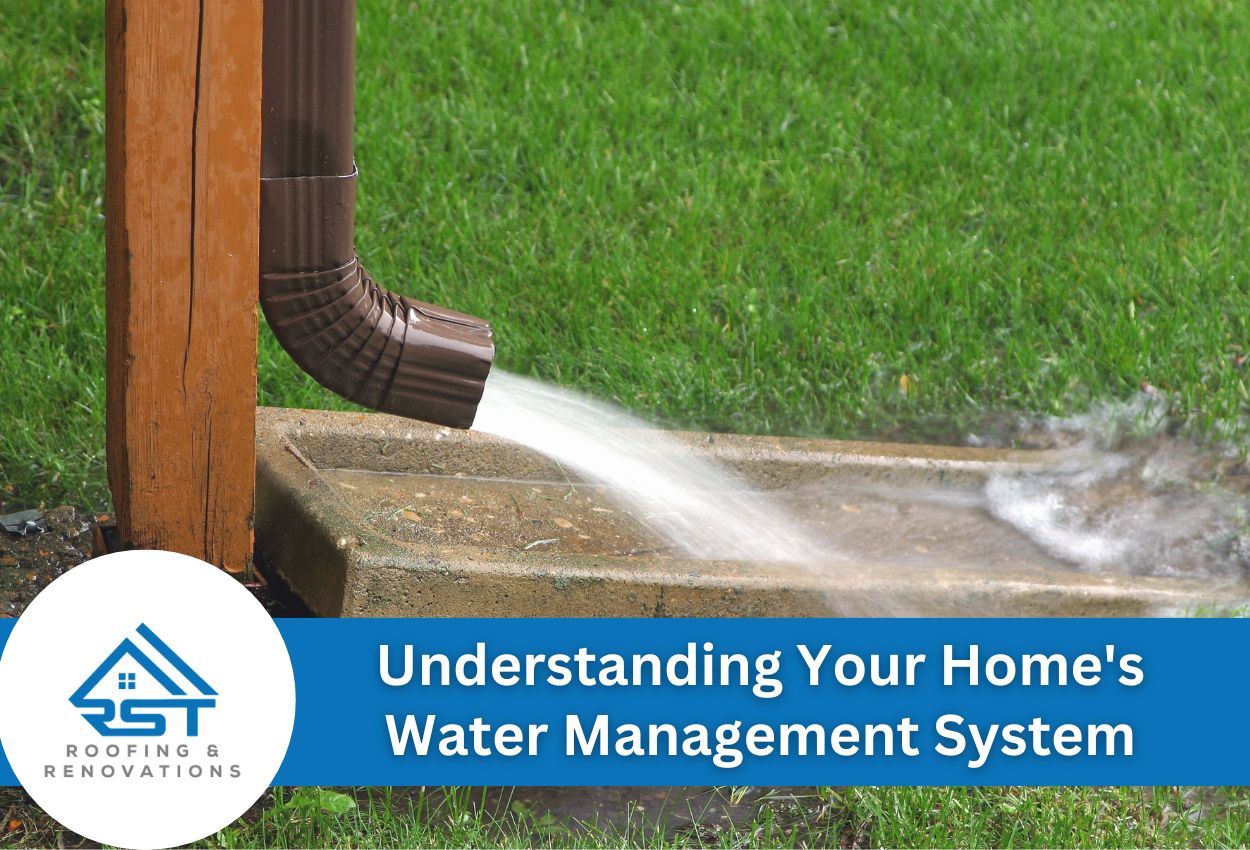
Direct downspouts away from the foundation using elbows and extensions to carry water at least 6 feet from the home’s base. This distance prevents water from pooling near the walls of your foundation and causing potential structural problems. Finish by installing splash blocks or connecting your gutters to underground drainage systems where local codes permit such installations.
Testing the completed system involves running water through each gutter section to verify proper flow rates and identify any leaks or drainage issues. Use a garden hose to simulate rainfall conditions, checking that water moves efficiently toward downspouts without overflowing or pooling. Make necessary adjustments to brackets or connections to get the best performance possible before considering the installation complete.
Ensure Your Gutters Are Secure with RST Roofing and Renovations, LLC
If you’ve reached the point in your DIY gutter installation where you feel overwhelmed, remember that professional help is just a call away. Don’t risk improper installation that could lead to expensive repairs. RST Roofing and Renovations, LLC, specializes in gutter installation and can ensure your home’s roofing system is properly set up to handle even the heaviest rains.
Whether you need assistance finishing your project or prefer a professional to take over, we’re here to help. Call us now at (404) 548-8901 and let’s ensure your gutters are perfectly aligned and securely installed.