

TPO Roof Inspection Checklist: Why Every Atlanta Property Owner Should Have One
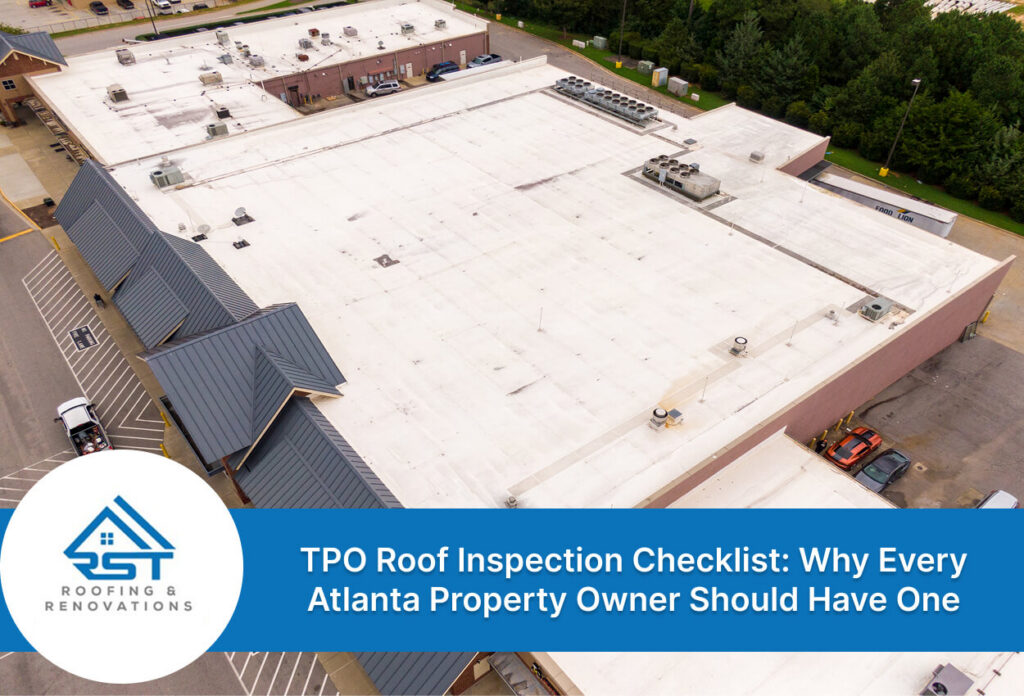

TPO (thermoplastic polyolefin) roofing systems are popular for commercial buildings with flat roofs across Atlanta. These single-ply roofing membranes offer excellent resistance to ultraviolet radiation, ozone, and chemical exposure, making them ideal for Georgia’s varied climate conditions. However, even the most resilient roofing systems require regular inspections to maintain their performance and extend their lifespan.
For Atlanta property owners, having a comprehensive TPO roof inspection checklist is crucial for identifying potential issues before significant damage is done. Regular inspections catch signs of TPO membrane deterioration, such as seam failures, punctures, or water pooling, that could compromise the integrity of the entire roofing system. Professional roofing contractors can spot subtle indicators of damage that untrained eyes might miss, preventing major damage down the line.
Commercial TPO roof maintenance begins with understanding the specific inspection steps necessary for flat roof systems. From examining membrane attachments to checking drainage systems, a step-by-step approach means no roof components are overlooked. Property owners who prioritize systematic TPO roofing system inspections typically experience fewer emergency repairs and enjoy maximum return on their roofing investment through extended service life and improved building protection.
TPO Membrane Surface Examination: Identifying Critical Damage Indicators
Properly examining TPO membrane surfaces is essential for maintaining your commercial roof’s integrity. When inspecting your TPO roof, start by looking for punctures, tears, and abrasions that compromise waterproofing. Atlanta’s intense summer heat and occasional hailstorms can create specific types of damage requiring careful attention. Use a systematic approach, walking the roof in a grid pattern to ensure complete coverage of the membrane surface.
Pay particular attention to signs of membrane displacement, which frequently develop during Georgia’s seasonal temperature fluctuations. Check for membrane shrinkage and pull-away problems, especially at roof edges, corners, and around penetrations where stress concentrates. These areas often show the first signs of compromise. Look for ripples, waves, or tenting in the membrane, which are all indicators that the roofing system may be losing its attachment.
During your TPO roof inspection, document all physical damage with photographs and measurements. Even seemingly minor surface abrasions can accelerate weathering and lead to premature failure. Atlanta roofing professionals recommend checking seams with extra care, as these vulnerable points often reveal early signs of potential system failure. Remember that identifying these critical damage indicators early allows for targeted maintenance rather than extensive repairs, preserving your commercial property’s protection and value.
Seam and Flashing Inspection Protocols for TPO Roofing Systems
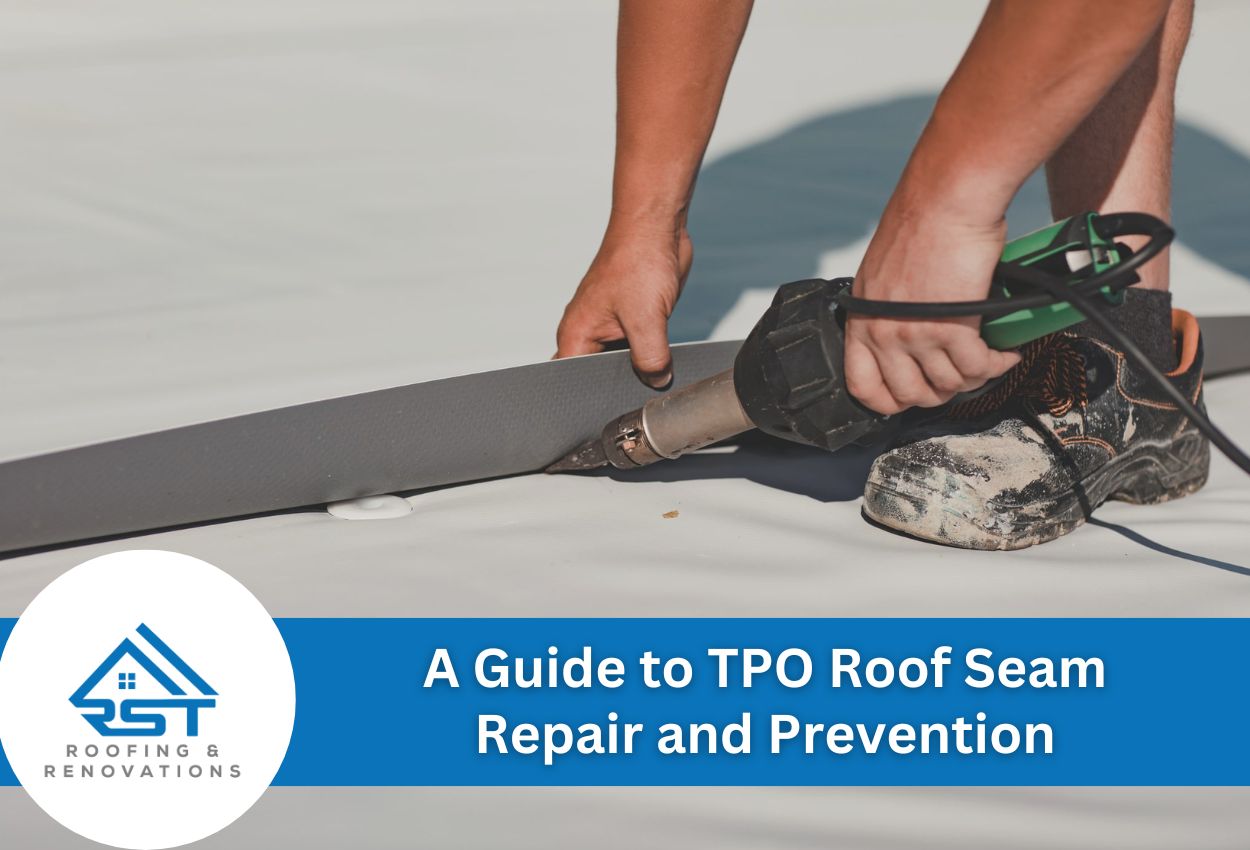
Heat-welded seams represent the most vulnerable points in TPO roofing systems, requiring meticulous examination during every inspection. Professional Atlanta roofing contractors use specialized testing methods, including the seam probe test, to identify potential weaknesses. This involves running a dull probe along welded areas to detect voids, partial bonds, or delamination that could allow water intrusion. Properly sealed seams should demonstrate consistent weld width, smooth edges, and minimal extrusion.
Flashing inspections are equally critical for TPO roof integrity, particularly around roof penetrations, HVAC units, and perimeter details. These transitional areas experience significant stress due to different expansion rates and movement patterns. When inspecting flashing, look for separation from the vertical surfaces, membrane splits at corners, or loose termination bars that signal potential leak points. Atlanta’s varying weather conditions can accelerate deterioration at these junctions, making regular inspections essential for commercial buildings.
Pay special attention to pipe boots, drain flashing, and equipment curbs, as these frequently develop problems. Signs of trouble include membrane bridging, where the TPO pulls away from corners, creating tension points susceptible to tearing. Professional TPO roofing system inspections should verify that all flashing details maintain watertight integrity and proper attachment to both the roof and vertical surfaces. Fixing flashing issues as soon as they’re spotted prevents moisture infiltration that can damage building interiors and insulation systems.
Drainage System Assessment: Preventing Water Damage
Drainage is critical to the longevity of TPO roofing systems, especially in Atlanta, where heavy seasonal rainfall can test even the best-designed roof. A thorough assessment of your commercial roof’s drainage components helps prevent water accumulation that can lead to membrane deterioration, structural weakening, and eventual leaks. Begin by inspecting all roof drains for debris accumulation — Atlanta’s abundant tree canopy means leaves, pine needles, and pollen frequently clog drainage pathways, creating dams that trap water on the roof surface.
Check that drain strainers are intact and properly secured, as missing or damaged strainers allow larger debris to enter and block internal drainage pipes. Examine scuppers and gutters for attachment and slope, ensuring water has a clear path off the roof. Gutters pulled away from fascia boards or scuppers with insufficient opening size can create backups during heavy Georgia downpours, forcing water under the TPO membrane at vulnerable edge points.
Document any areas showing signs of ponding water, particularly those where water remains 48 hours after rainfall. These ponding areas accelerate TPO membrane aging through prolonged exposure to UV rays and biological growth. Special attention should be given to evaluating roof slope issues, as settling buildings or improper initial installation can create low spots that collect water. Addressing drainage problems early in your TPO flat roof inspection helps prevent the compounding damage that water accumulation causes to commercial roofing systems.
Signs of TPO Membrane Aging and Environmental Damage
TPO roofing membranes in Georgia constantly face both the intense sun and variable climate conditions. Recognizing the early signs of aging can save Atlanta commercial property owners from premature roof replacement. UV degradation often appears first as surface chalking, a white powdery substance that forms when the membrane’s protective top layer breaks down. Run your hand across the surface — if a white residue transfers to your glove, this indicates advancing degradation of the TPO material.
Brittleness is another critical warning sign of an aging TPO roof. Healthy TPO membranes remain flexible and resilient, but over time, exposure to Atlanta’s heat and UV radiation causes the material to become rigid and prone to cracking. Test suspect areas by gently flexing the membrane — if it feels stiff or produces a crackling sound, the material has lost its essential elasticity and may require professional attention.
Environmental factors specific to Atlanta’s climate create additional challenges for TPO roofing systems. Check for biological growth like algae, moss, or mold, particularly on north-facing sections that receive less sunlight. Chemical contamination from nearby HVAC systems, industrial emissions, or tree sap can degrade the membrane surface. Look for discoloration, pitting, or unusual texture changes that signal chemical interaction with the roofing material. Identifying these environmental damage indicators early allows for targeted maintenance that extends your commercial roof’s service life.
Structural Components and Underlying System Inspection
The integrity of a TPO roofing system depends significantly on the condition of its underlying structural components. During thorough inspections, Atlanta roofing professionals evaluate the roof deck for signs of deflection or sagging, which can indicate structural issues that compromise the entire system. Pay extra attention to areas where fasteners have backed out of the deck — this typically signals movement in the roof structure or improper initial installation that requires immediate attention.
Insulation compression is another critical concern for TPO roof performance. When examining your commercial roof, look for uneven surfaces or soft spots that suggest the insulation beneath has been compromised. Properly functioning insulation not only provides energy efficiency but also creates the even substrate necessary for TPO membrane adhesion. In Atlanta’s climate, where buildings experience significant thermal cycling, compressed insulation accelerates membrane fatigue and reduces the system’s R-value. Consistent evaluation of these structural components helps ensure your TPO roofing system delivers its expected performance and lifespan.
Documentation and Maintenance Planning for TPO Roof Longevity
Creating detailed documentation of your TPO roof’s condition provides historical records that guide future maintenance decisions. During each inspection, capture time-stamped photographs of problem areas, membrane conditions, and drainage components. Measure and record membrane thickness at multiple points to track deterioration rates. Document all observations in standardized inspection reports that allow for year-to-year comparison. These records help Atlanta property managers prioritize maintenance needs based on annual data rather than one-time assessments.
Developing a customized maintenance schedule for your commercial TPO roof should account for Atlanta’s specific seasonal challenges. Spring maintenance typically focuses on cleaning drainage systems after pollen season and checking for winter damage. Summer inspections should prioritize UV-related concerns and membrane expansion issues when temperatures routinely exceed 90 degrees Fahrenheit. Fall maintenance centers on preparing drainage systems for leaf accumulation, while winter checks focus on freeze-thaw effects on seams and flashing. This seasonal approach ensures your TPO roofing system receives appropriate care when it’s most vulnerable.
Professional roofing contractors recommend scheduling comprehensive TPO roof inspections at least twice annually, with additional checks following severe weather events. This approach to commercial TPO roof maintenance helps identify signs of TPO membrane deterioration before they compromise the entire building. Properly documented inspection findings also support warranty claims and provide valuable information during future roofing decisions, ultimately maximizing your roofing investment through extended service life.
Expert TPO Roof Inspection Services in Atlanta
At RST Roofing and Renovations, LLC, we specialize in comprehensive TPO roof inspections that adhere to industry best practices and address the unique weather challenges in Atlanta. Our team is equipped to identify damage such as UV degradation, membrane tears, and improper drainage, which are vital to preventing future repairs and extending the life of your roof.
If you’re concerned about the current state of your TPO roof or want to establish a routine maintenance plan, our team is here to help. Reach out to us today at (404) 548-8901 to schedule your detailed TPO roof inspection and ensure your property is protected year-round.