



Flat roofs have unique challenges that require specialized attention and consistent care to prevent expensive damage. Unlike sloped roofing systems, flat roofs are more susceptible to water pooling, membrane deterioration, and drainage issues that can quickly escalate into major problems. Understanding proper flat roof maintenance becomes essential for protecting your investment and avoiding emergency repairs.
Atlanta’s climate creates particular challenges for flat roofing systems. The region’s heavy rainfall, temperature fluctuations, and occasional severe weather can accelerate wear and tear on roofing materials. Without proper flat roof inspection routines and preventive roof maintenance, minor issues can develop into significant structural problems that compromise the entire building.
Property owners who implement regular maintenance schedules experience fewer roof drainage problems and extend their roof’s lifespan considerably. Effective flat roof leak prevention starts with understanding the critical maintenance areas that need attention throughout the year. Proper roof membrane care, combined with inspections and prompt repairs, creates an effective approach to roof protection.
Creating Your Seasonal Inspection Schedule
Establishing a comprehensive flat roof inspection routine requires understanding the specific elements that signal potential problems. During each inspection, examine the roof membrane for cracks, blisters, or punctures that could allow water to get in. Pay close attention to seams and joints where membrane sections connect, as these areas are particularly vulnerable to separation and deterioration.
Check all gaps, including HVAC units, vents, and pipes, for loose or damaged flashing. Inspect the roof’s perimeter and parapet walls for signs of water damage or membrane detachment. Document any areas where debris has accumulated, as these locations often indicate drainage issues that need immediate attention.
Timing inspections to coincide with seasonal weather patterns maximizes their effectiveness. Schedule thorough inspections in spring to assess winter damage, before summer to prepare for intense heat, in early fall to clear debris and check drainage systems, and after major storms throughout the year.
Roof drainage problems become most apparent during and immediately after rainfall. Monitor downspouts and drainage outlets during wet weather to identify clogs or inadequate water flow. Areas where water pools for more than 48 hours after rain can indicate drainage deficiencies that require professional attention.
Mastering Water Flow and Drainage Management
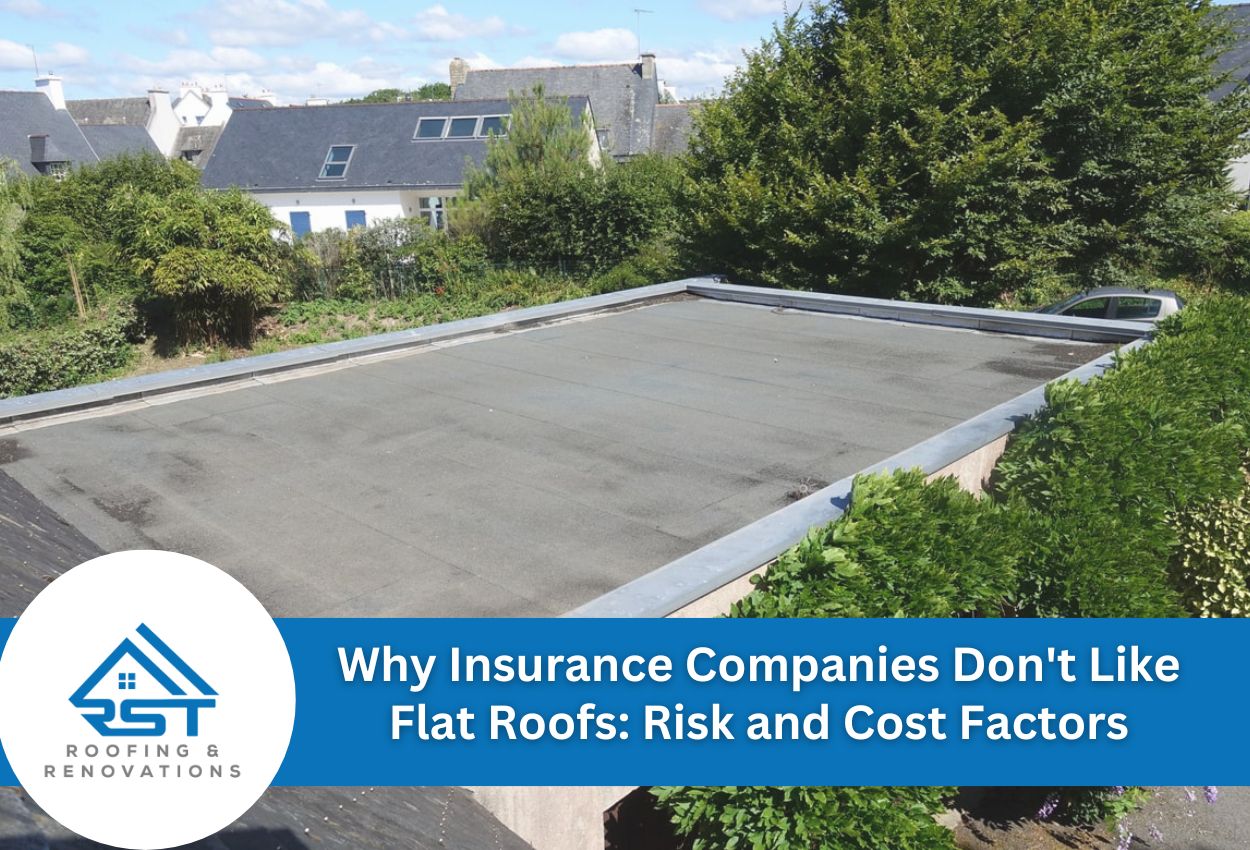
Proper water management can be one of the most important aspects of flat roof maintenance, as drainage failures lead to the majority of serious roofing problems. Ponding water creates excessive weight on structural elements while accelerating membrane deterioration through constant moisture exposure. Standing water also promotes algae growth and provides entry points for insects and other pests that can compromise a roof’s structural integrity.
Clogged gutters and blocked drains can create more problems throughout the entire drainage system. When primary drainage outlets become obstructed, water seeks alternative paths that often result in membrane damage and interior leaks. Regular flat roof inspection should include a thorough examination of all drainage components to identify blockages before they cause system-wide failures.
Blocked drains typically result from accumulated debris, including leaves, branches, and sediment that wash across the roof surface. These materials collect at low points and drainage outlets, creating dams that prevent proper water evacuation. Over time, trapped organic matter decomposes and forms thick sludge that adheres to drain walls and creates persistent blockages.
Maintaining proper water flow requires systematic cleaning of all drainage components at least twice a year. During this task, remove debris from drain strainers and downspout connections using appropriate tools that won’t damage membrane surfaces, and flush drainage lines with water to ensure complete flow-through. With this, you can identify any restrictions that require professional attention for effective flat roof leak prevention and optimal roof membrane care.
Proactive Leak Detection and Prevention Strategies
Identifying early warning signs of potential flat roof failures requires attention to specific areas where problems typically develop. Membrane deterioration often begins with subtle changes in surface texture, color variations, or small bubbles that indicate trapped moisture beneath the roofing material. These early indicators provide valuable opportunities for preventive roof maintenance before leaks occur.
Flashing issues around gaps represent another common failure point in flat roof systems. Examine all flashing connections for holes, corrosion, or separation from adjacent surfaces during regular flat roof inspection activities. Metal flashing that shows rust stains or loose fasteners requires immediate attention to prevent water entry into the building structure.
HVAC equipment, vent pipes, and electrical equipment create natural weak spots where roof membrane care becomes particularly important. Temperature changes cause different materials to expand and contract at varying rates, creating stress points that can develop into leak sources. Monitor these areas for cracks in sealant materials or gaps between plumbing boots and membrane surfaces.
Property owners can implement several preventive measures to address minor issues before they escalate into major problems. Applying appropriate sealants to small cracks or gaps in membrane materials, ensuring compatibility with existing roof systems, is one task that can be completed without a professional. Clearing debris from drainage areas immediately prevents water accumulation, and replacing damaged drain covers and securing loose flashing with proper fasteners maintains effective leak prevention throughout our area’s changing weather.
Protecting and Extending Your Roof Membrane Life
Different membrane types require specific maintenance approaches to maximize their performance and longevity. EPDM rubber membranes benefit from gentle cleaning with mild detergent solutions and soft brushes to remove dirt accumulation without damaging the rubber surface. Avoid petroleum-based cleaners or harsh chemicals that can break down rubber compounds and create premature membrane failure.
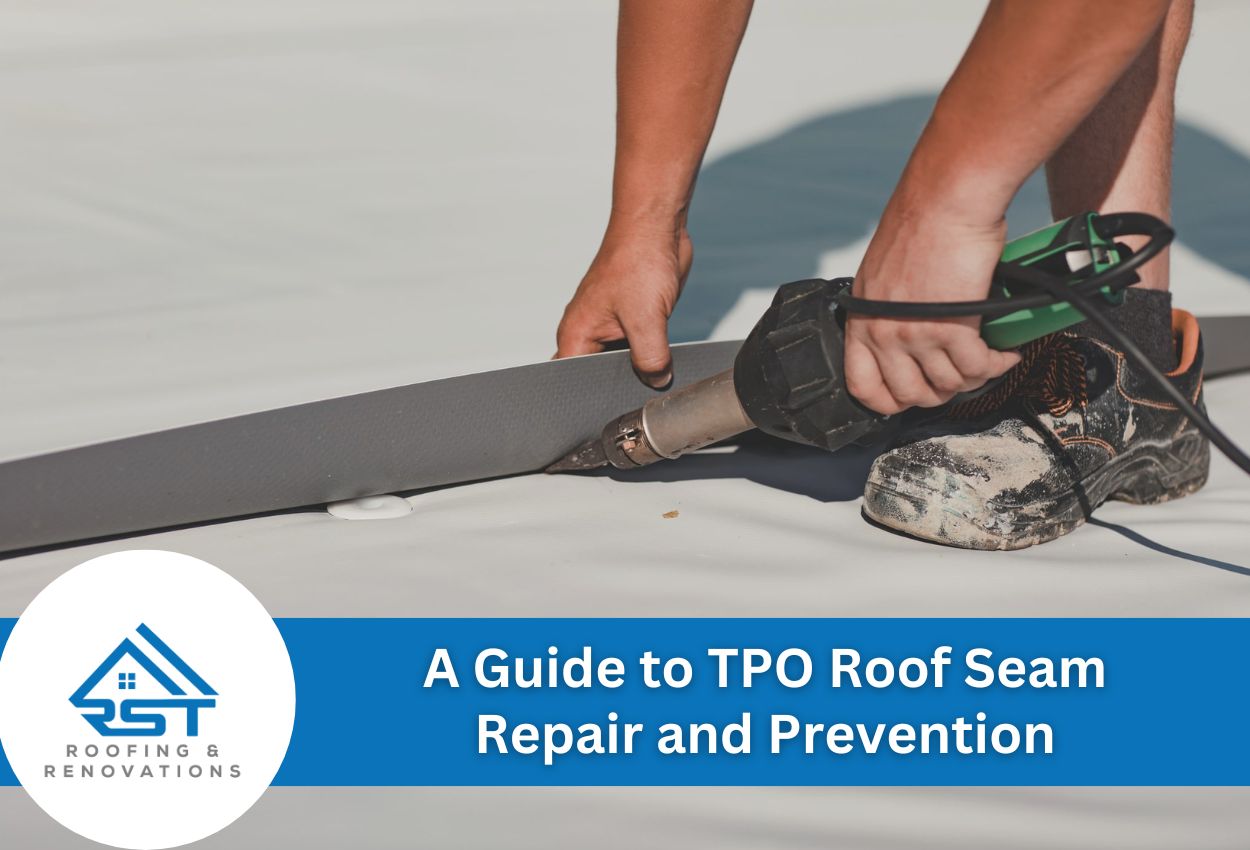
TPO membranes need careful attention to any connecting seams and surface cleanliness to maintain their reflective properties. Clean TPO surfaces using manufacturer-approved cleaning solutions that protect the membrane’s heat-reflective coating. Inspect heat-welded seams regularly for separation or deterioration, as TPO repair requires specialized equipment and techniques to maintain its watertight structural integrity.
Modified bitumen systems require different roof membrane care approaches due to their multi-layer construction and granulated surfaces. Remove accumulated granules from drainage areas to prevent blockages while preserving the protective granule layer on membrane surfaces. Check for blistering or delamination between membrane layers, which can indicate a leak that requires professional repair techniques.
Membrane repairs become necessary when surface damage compromises waterproof integrity or when aging materials show significant deterioration. Small punctures or tears often respond well to patch repairs using compatible materials and proper installation techniques. However, widespread membrane degradation, multiple leak sources, or structural issues typically require complete membrane replacement to restore effective protection.
Year-Round Preventive Maintenance Tasks
Establishing a consistent maintenance routine throughout the year provides the foundation for effective flat roof maintenance tips that prevent expensive emergency repairs. Monthly inspections should focus on clearing debris from drainage areas, checking membrane surfaces for new damage, and ensuring all gaps remain properly sealed. These regular assessments allow property owners to identify developing issues before they compromise the roof’s structural integrity or create interior water damage.
Quarterly maintenance activities go beyond basic inspections and include careful system evaluations. Clean all gutters and downspouts to maintain proper water flow, inspect flashing around equipment and gaps for signs of deterioration, and test drainage systems during dry weather to verify adequate capacity. These thorough evaluations support effective flat roof leak prevention by addressing potential failure points before severe weather occurs.
Spring preparation involves clearing winter debris accumulation and assessing membrane condition after temperature cycling. Summer readiness requires checking for heat-related membrane expansion issues and ensuring adequate drainage capacity for thunderstorms. Meanwhile, fall preparation focuses on removing leaf debris and preparing drainage systems for increased precipitation volumes.
Winter maintenance emphasizes protecting vulnerable system components from temperature extremes and freeze-thaw cycles. Clear ice and snow accumulation that could create excessive weight on the structure, and monitor drainage outlets for ice blockages that prevent proper water evacuation. Regular attention to these seasonal concerns maintains the best possible roof membrane care while preventing roof drainage problems that often develop during periods of neglect or inadequate preventive roof maintenance scheduling.
Knowing When to Call Professional Roofing Contractors
Recognizing when flat roof maintenance issues exceed DIY capabilities becomes crucial for preventing extensive property damage and maintaining system integrity. Certain warning signs indicate that professional intervention is necessary to address problems safely and effectively. Multiple active leaks, widespread membrane deterioration, or structural sagging require specialized equipment and expertise that property owners typically cannot provide independently.
Membrane repairs involving heat welding, torch application, or chemical adhesives need professional skills to ensure proper installation and avoid safety hazards. Complex drainage modifications, HVAC equipment integration, or extensive flashing replacement also exceed typical property owner capabilities. When a flat roof inspection reveals problems affecting large membrane areas or multiple system components, professional contractors possess the resources and experience necessary to restore complete system functionality.
Safety concerns present another important factor in determining when professional help becomes necessary. Working on flat roofs involves significant fall risks, especially during wet conditions or when handling heavy materials. Electrical hazards around HVAC equipment, chemical exposure from membrane materials, and structural stability issues require specialized training and safety equipment that professionals routinely employ.
Selecting qualified roofing professionals requires evaluating contractor credentials, insurance coverage, and specific flat roof experience. Verify licensing status, request references from recent projects, and confirm that contractors carry appropriate liability insurance. Professional maintenance services typically include system assessments, detailed repair recommendations, and warranty coverage that provides long-term protection for roof membrane care investments and ensures effective preventive roof maintenance programs.
Expert Flat Roof Maintenance Services in Atlanta
At RST Roofing and Renovations, LLC, we understand the challenges your flat roof faces throughout the seasons in Atlanta. Proactive maintenance is key to avoiding costly repairs and extending the lifespan of your roof.
To schedule your next roof inspection or to discuss a maintenance plan that fits your needs, call us today at (404) 548-8901. Let RST Roofing and Renovations, LLC protect your investment with our expert roofing services.